
-
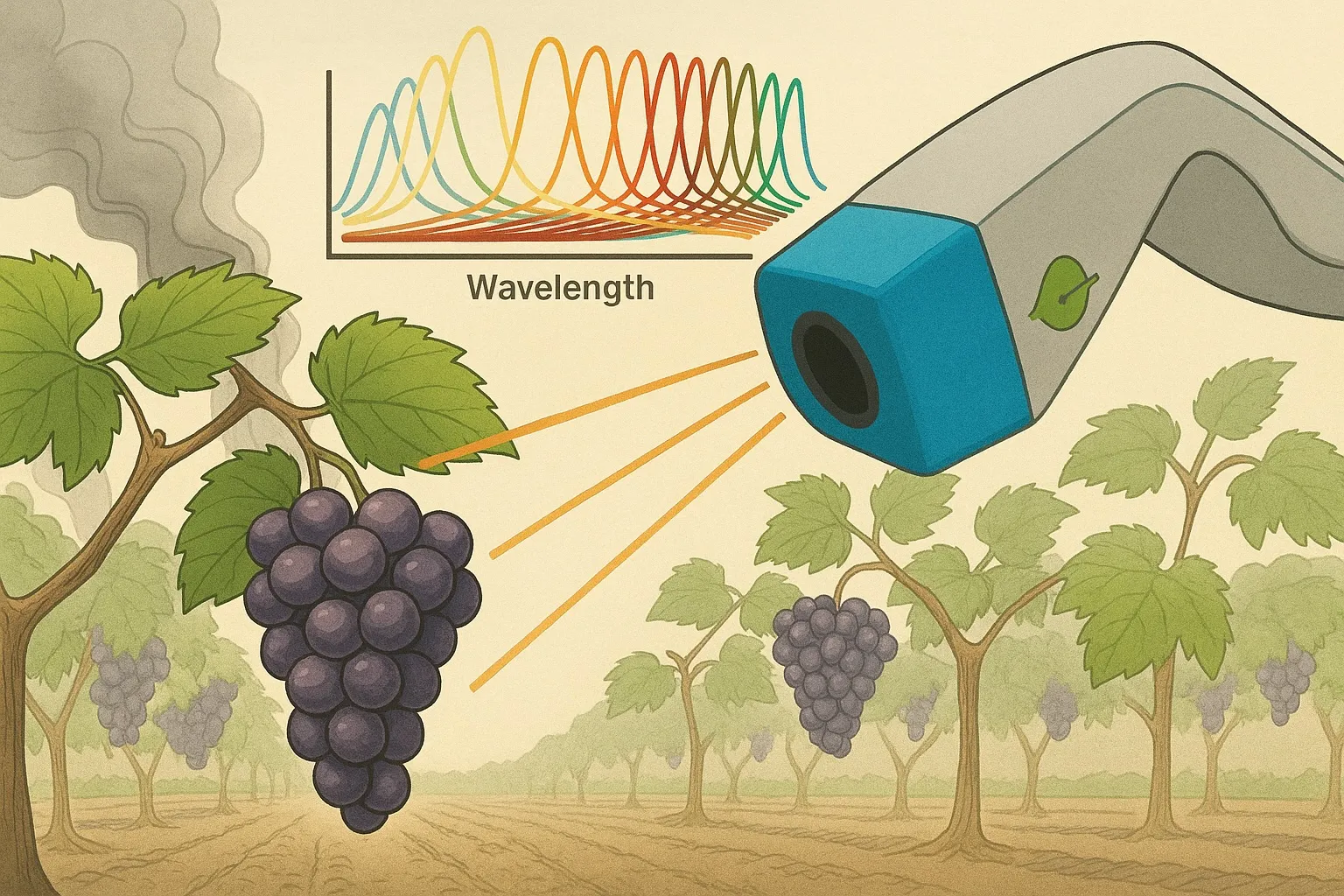
Smoke Gets in Your Wine - Verse 3
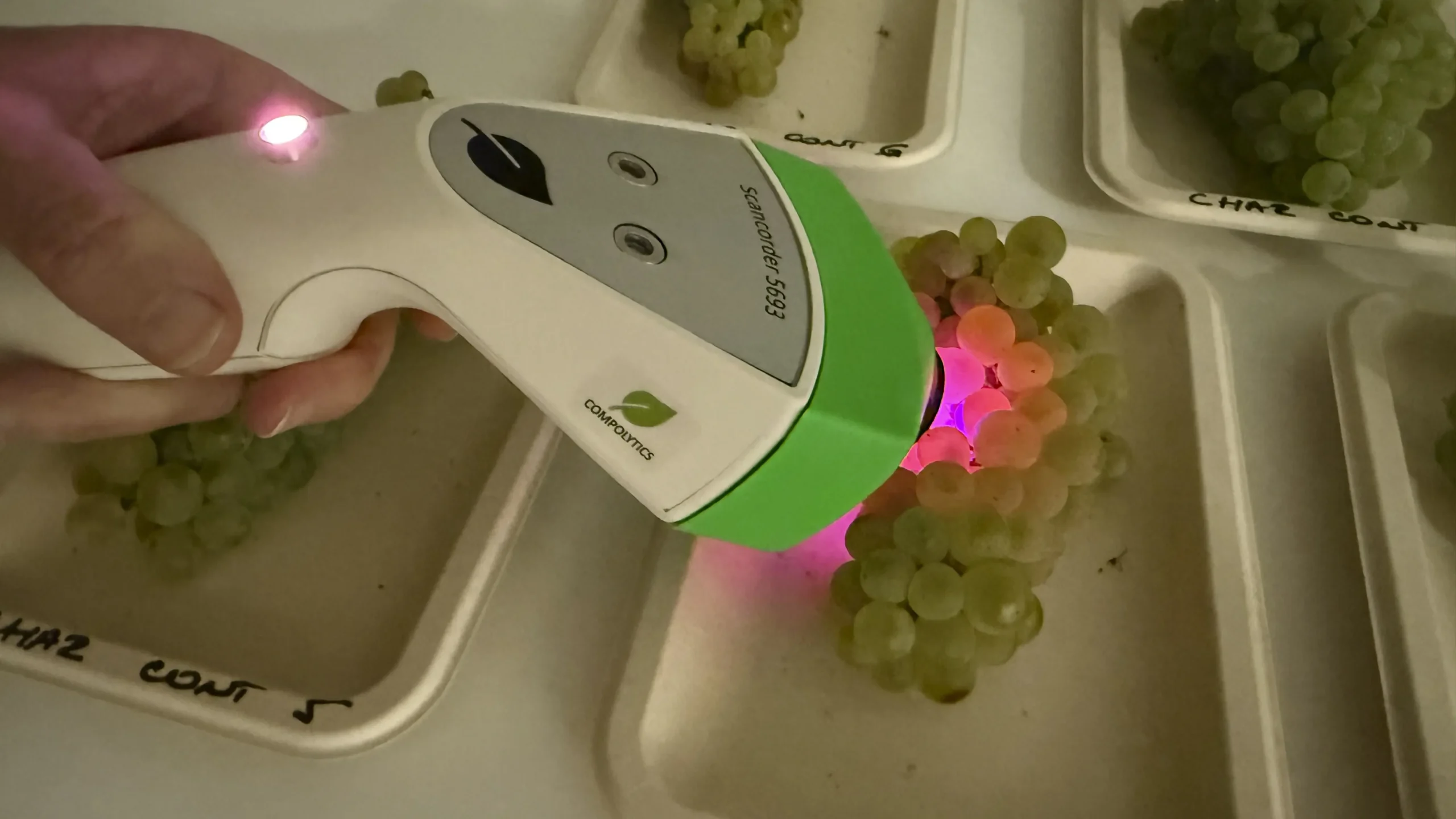
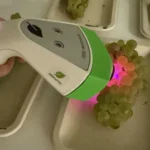
From Hyperspectral Insight to Handheld Impact: Year Three of Smoke Taint Detection Completed Bushfire smoke remains one of the most unpredictable and costly risks facing wine producers. While laboratory analysis can detect smoke taint compounds with precision, it is slow, expensive, and impractical for rapid decision-making in the vineyard. Over the past three seasons, Compolytics…
-
Research Article: Predicting Cannabinoid Yield from Spectral Leaf Scans
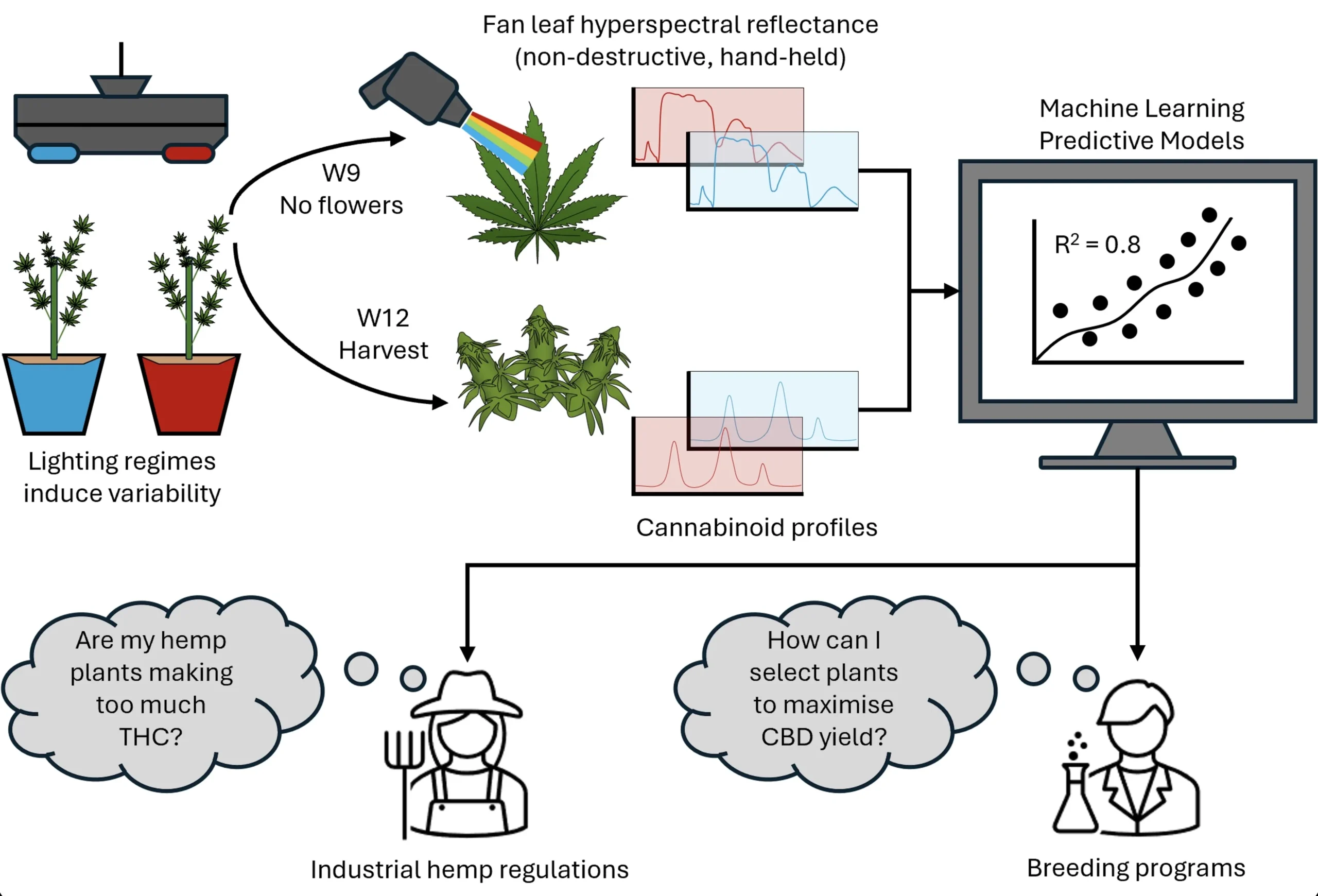
We are pleased to see our latest co-authored paper published in Industrial Crops and Products: “Hyperspectral measurements of Cannabis sativa fan leaves during early floral development predict final cannabinoid yield.” The study shows that spectral-optical measurements of fan leaves, taken early in flowering, can already predict the final cannabinoid yield with high accuracy. Using hand-held hyperspectral sensing and machine learning models, the…
-
Application Note: Nitrogen Monitoring in Agave
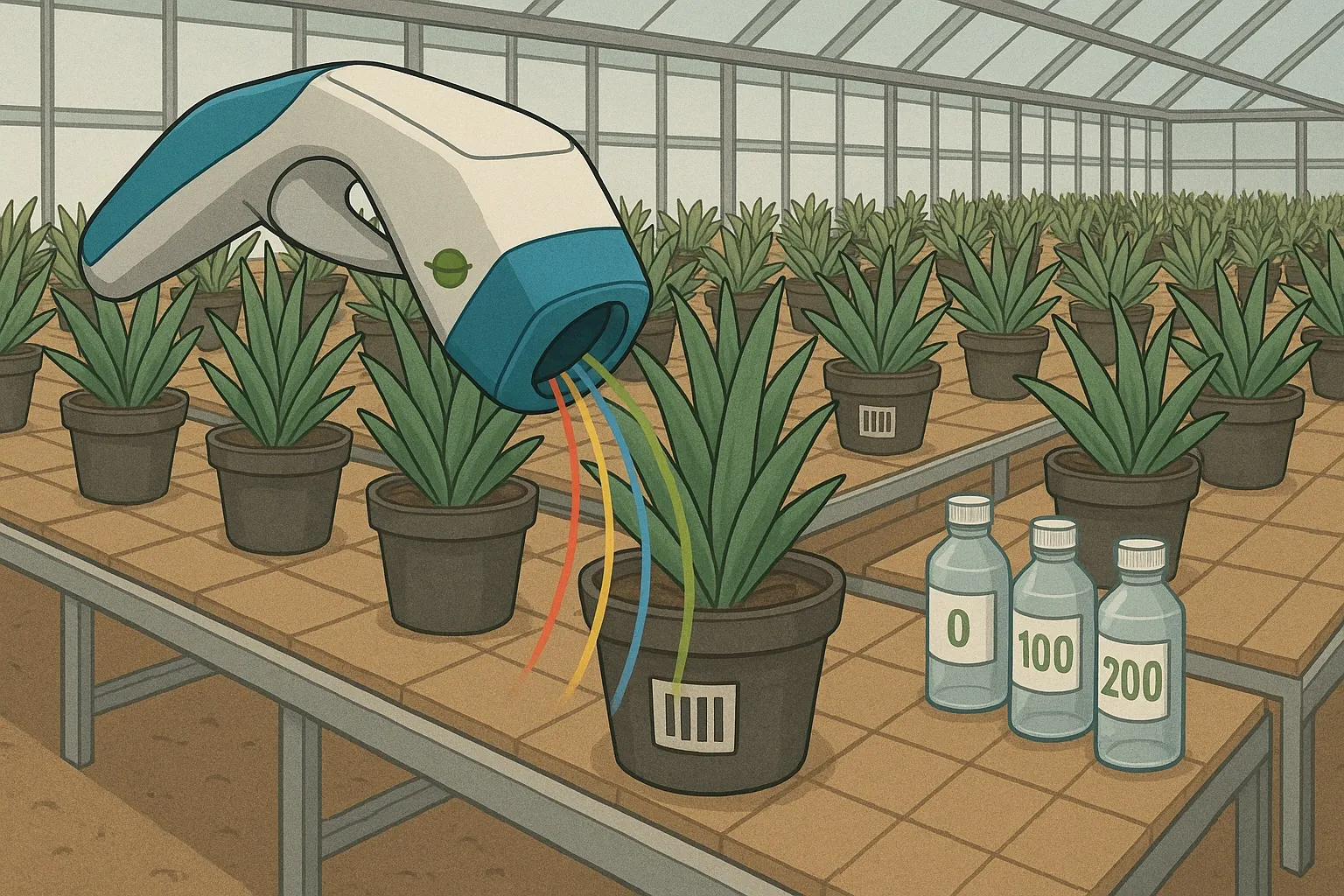
We are pleased to share the second ScanCorder Application Note, part of our growing series at Compolytics. This note explores how spectral vegetation indices (VIs) can be used to monitor nitrogen responses in Agave americana — a crop of rising importance for biofuels, fibres, and beverages.Using the ScanCorder GP-VNIR, researchers measured reflectance from agave leaves…
-
Application Note: Smoke Taint Detection in Grapes
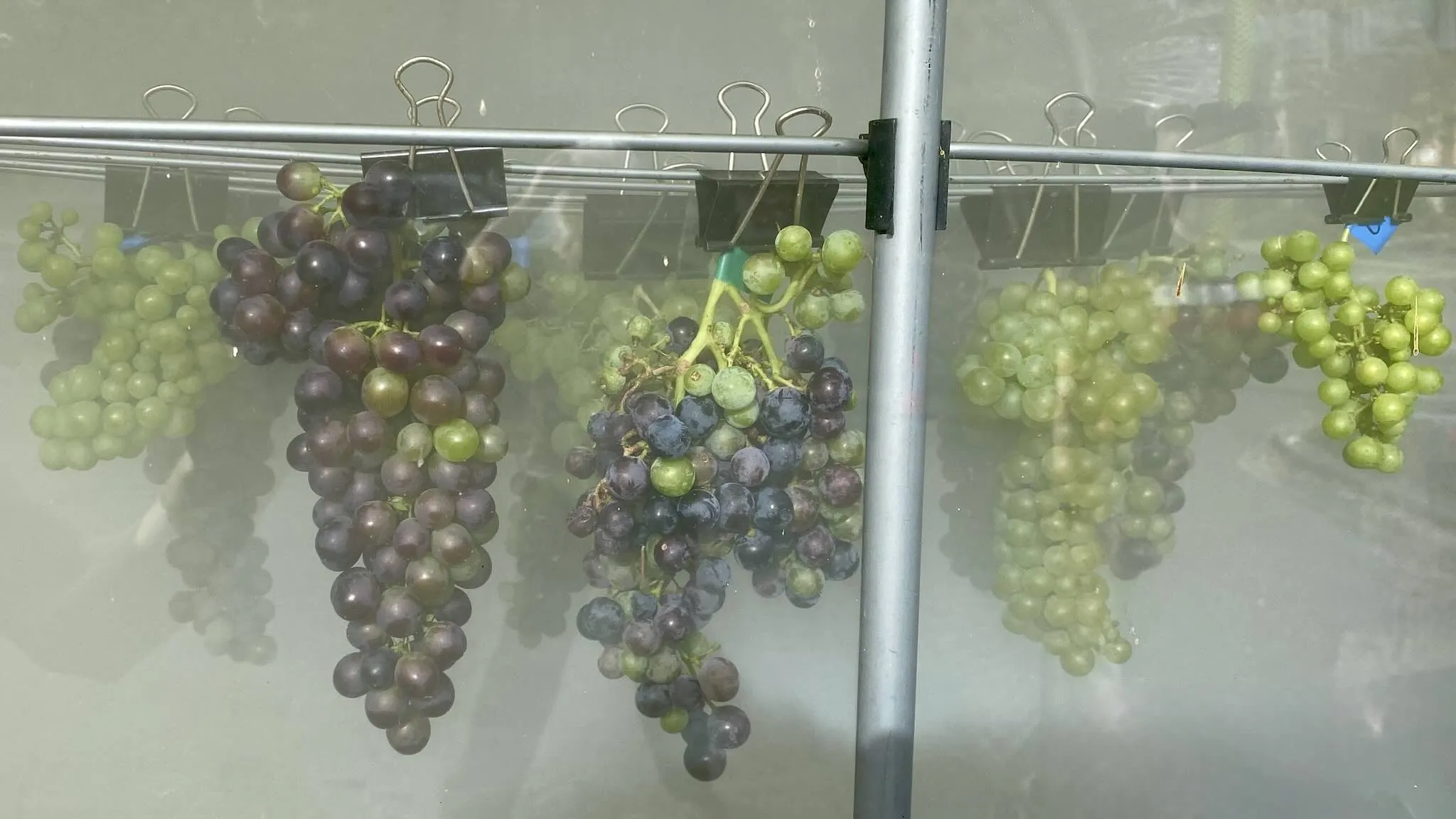
We are excited to announce the release of our first ScanCorder Application Note, kicking off a new series from Compolytics. This note demonstrates how spectral vegetation indices (VIs) measured with the ScanCorder GP-VNIR can detect smoke contamination in grapes — an increasingly relevant issue for vineyards facing bushfire risks.Using reflectance data from Shiraz grape bunches,…
-
Smoke Gets in Your Wine - Verse 2
Bushfire smoke in vineyards can spell disaster for winemakers, as smoky, ashy characters in grapes can render wine unsaleable, leading to significant revenue losses. At Compolytics, in collaboration with The University of Adelaide and key industry partners from the Australian and US wine industries, we’re taking our mission to safeguard grape and wine quality to the next…
-
Smoke Gets in Your Wine
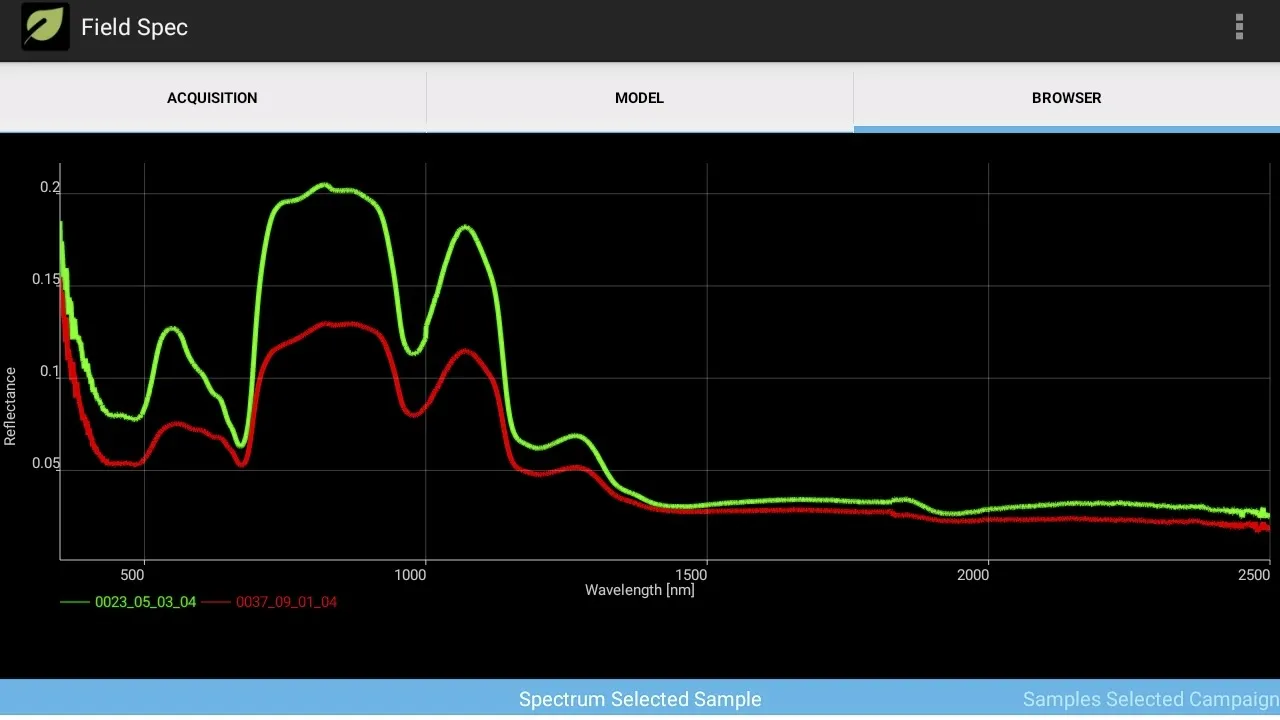
Vineyard exposure to bushfire smoke can taint grapes, causing significant revenue losses where smoky, ashy characters render wine unsaleable. In order to safeguard grape and wine quality and to predict the severity of smoke taint in grapes in real-time, Compolytics, as part of a joint project with The University of Adelaide, The Australian Wine Research…
-

Research Article: Spectral Assessment of Cultivar and Sex of Cannabis Plants
Two of our senior scientists were involved in a systematic study on the non-invasive assessment of cultivar and sex of Cannabis sativa L. by means of hyperspectral sensing, which led to a high-ranking publication in Plant-Environment Interactions. Thank you to all co-authors for the excellent co-operation. Download the full paper.
-
Innovation in Wool Classing
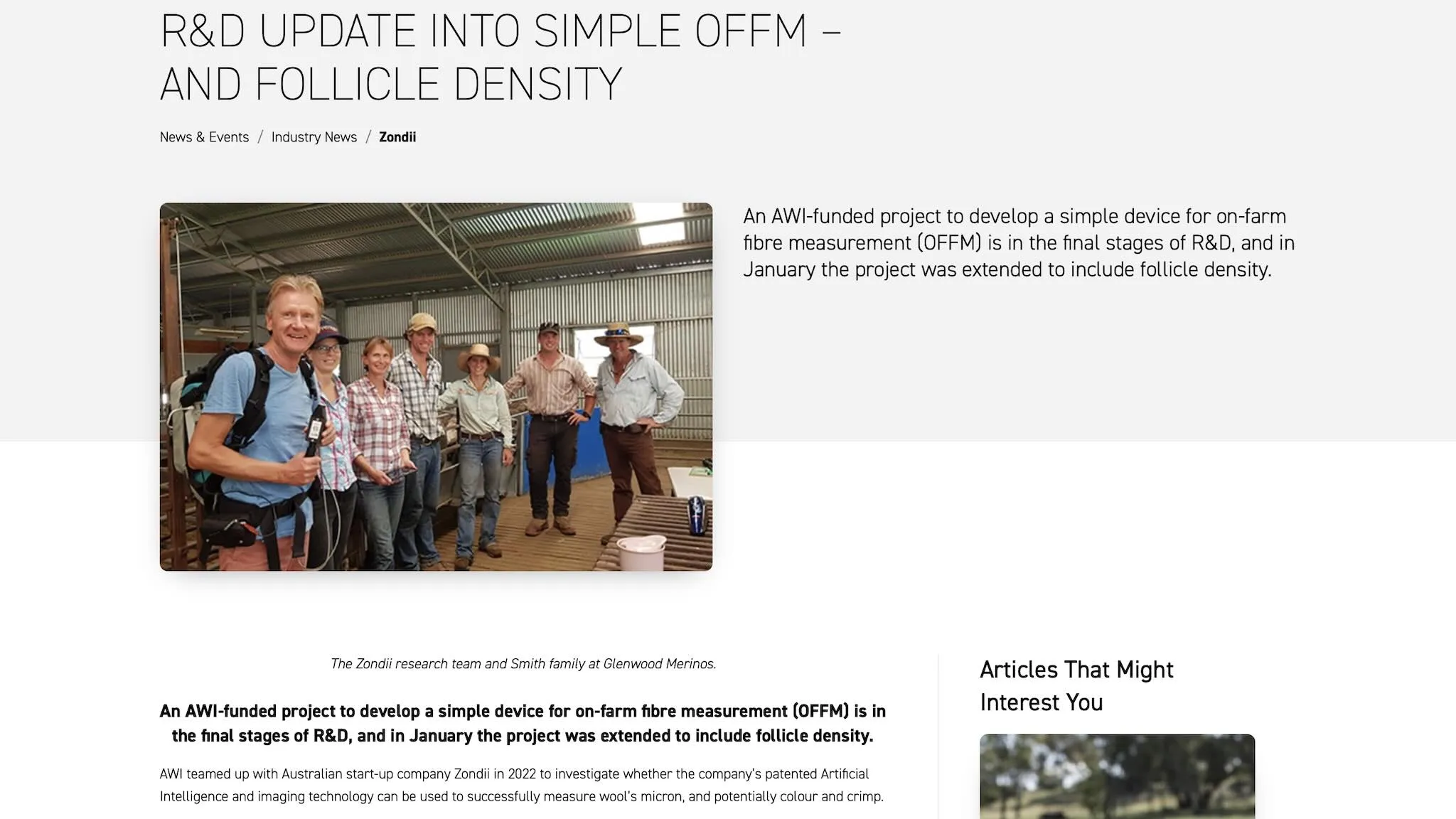
An Australian Wool Innovation (AWI)-funded project to develop a simple on-farm fibre measurement (OFFM) device is in the final stages of R&D, and in January the project was expanded to include follicle density. The COMPOLYTICS® ScanCorder platform is playing a key role in enabling Armidale-based start-up Zondii to revolutionise wool classing in Australia and worldwide.…
-
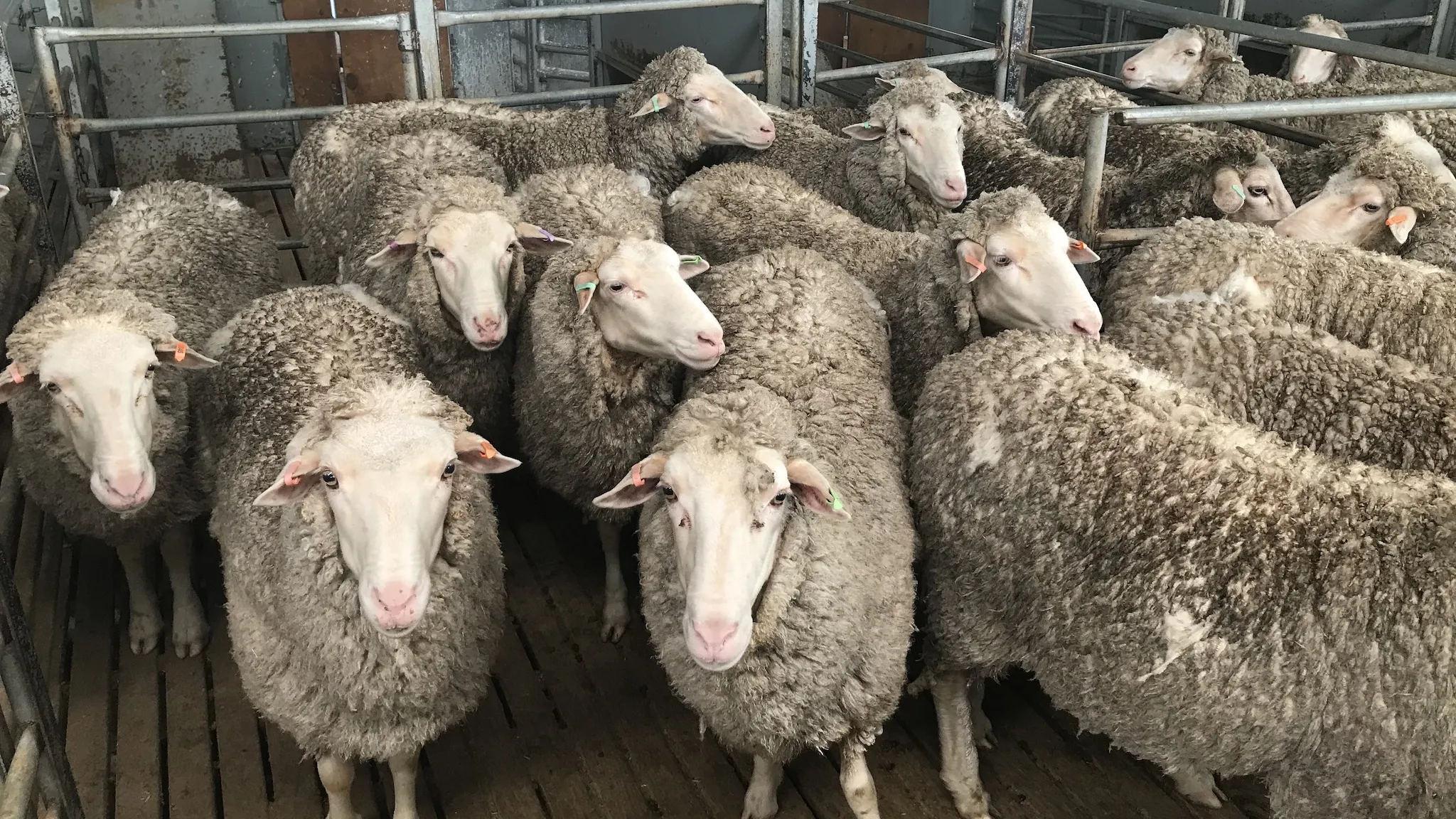
Non-invasive Determination of Breeding Targets in Sheep
In collaboration with our development partner Zondii and the Glenwood Farm in Wellington NSW, we have conducted an extensive measurement campaign to determine various quality parameters of wool and skin in sheep. The spectral signatures measured using a hyperspectral sensor are mapped to reference data using the COMPOLYTICS® ScanCorder Modelling approach. The aim is to…
-
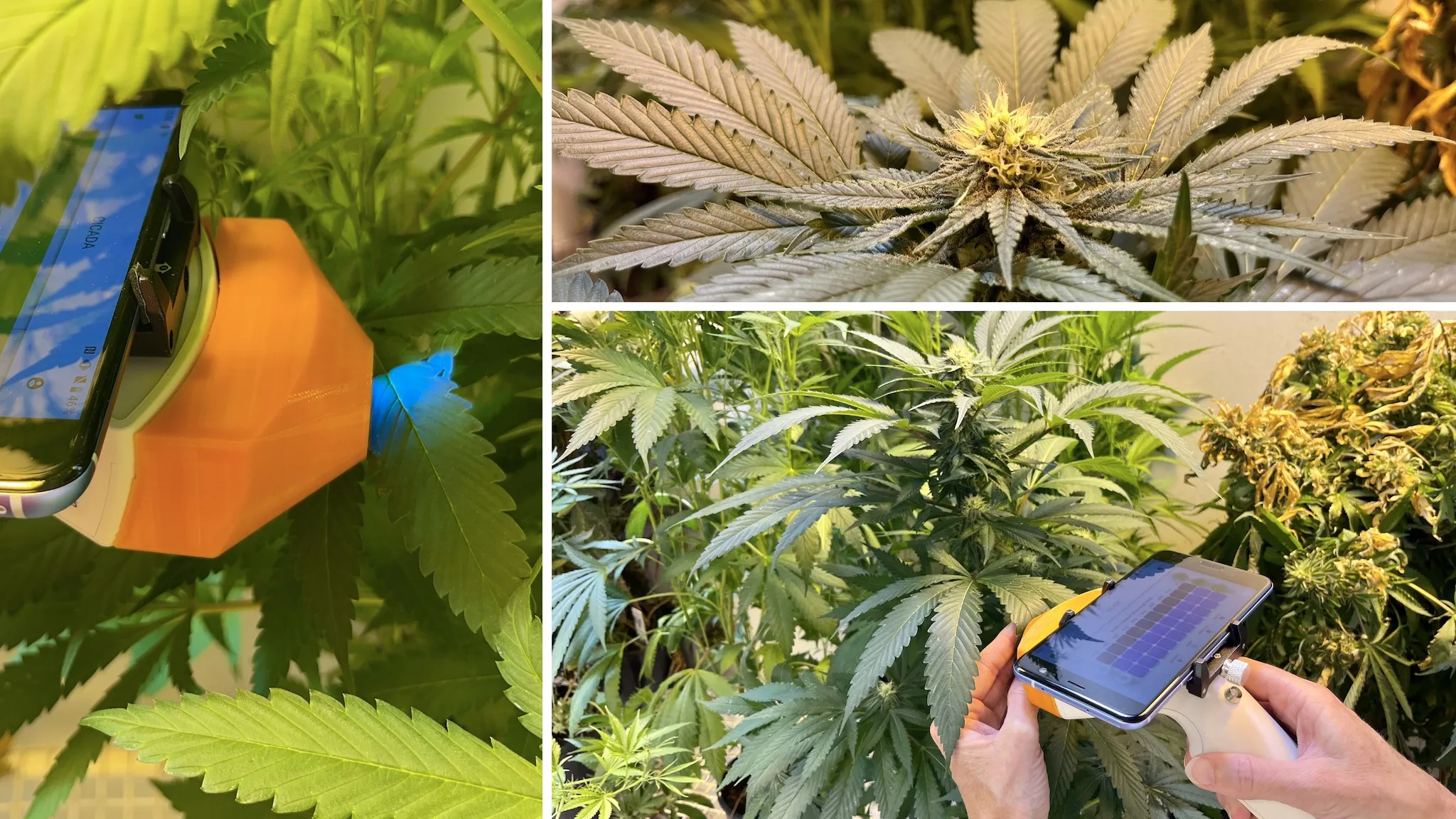
Improving Cannabis Farming
Monitoring cannabis plants with the COMPOLYTICS® ScanCorder for different varieties and treatments for industrial applications. Plants and reference data for modelling were provided by the University of Adelaide. All measurements were conducted at the Waite Campus. Our sensor improves the regulatory compliance and productivity of cannabis greenhouse and field cultivation.

Tag: Australia
Categories
Recent Posts
- ScanCorder Goes Fluorescence: Extending Inverted Spectroscopy into a New Optical Modality
- Behind the Scenes: Expanding the ScanCorder Capabilities
- Smoke Gets in Your Wine - Verse 3
- Why Access to Many Vegetation Indices Matters in Plant Research

- Research Article: Predicting Cannabinoid Yield from Spectral Leaf Scans