
-
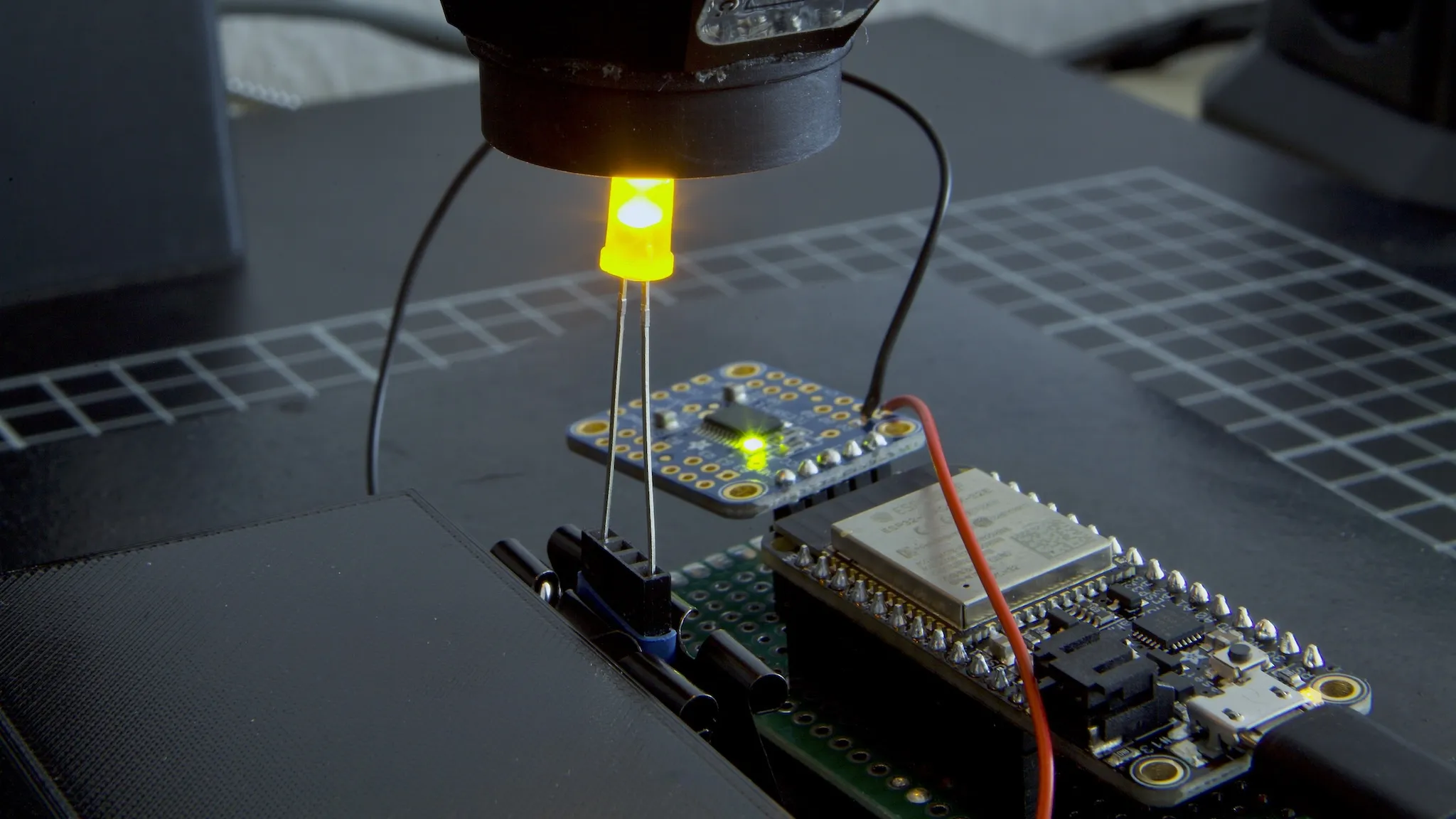
Behind the Scenes: Selection of Electronics Components
Learn how Compolytics bridges the gap between theoretically determined wavelengths and the availability of corresponding optoelectronic components such as LEDs and receivers for the COMPOLYTICS® ScanCorder: https://youtu.be/Xe5PVF1ivkI.
-
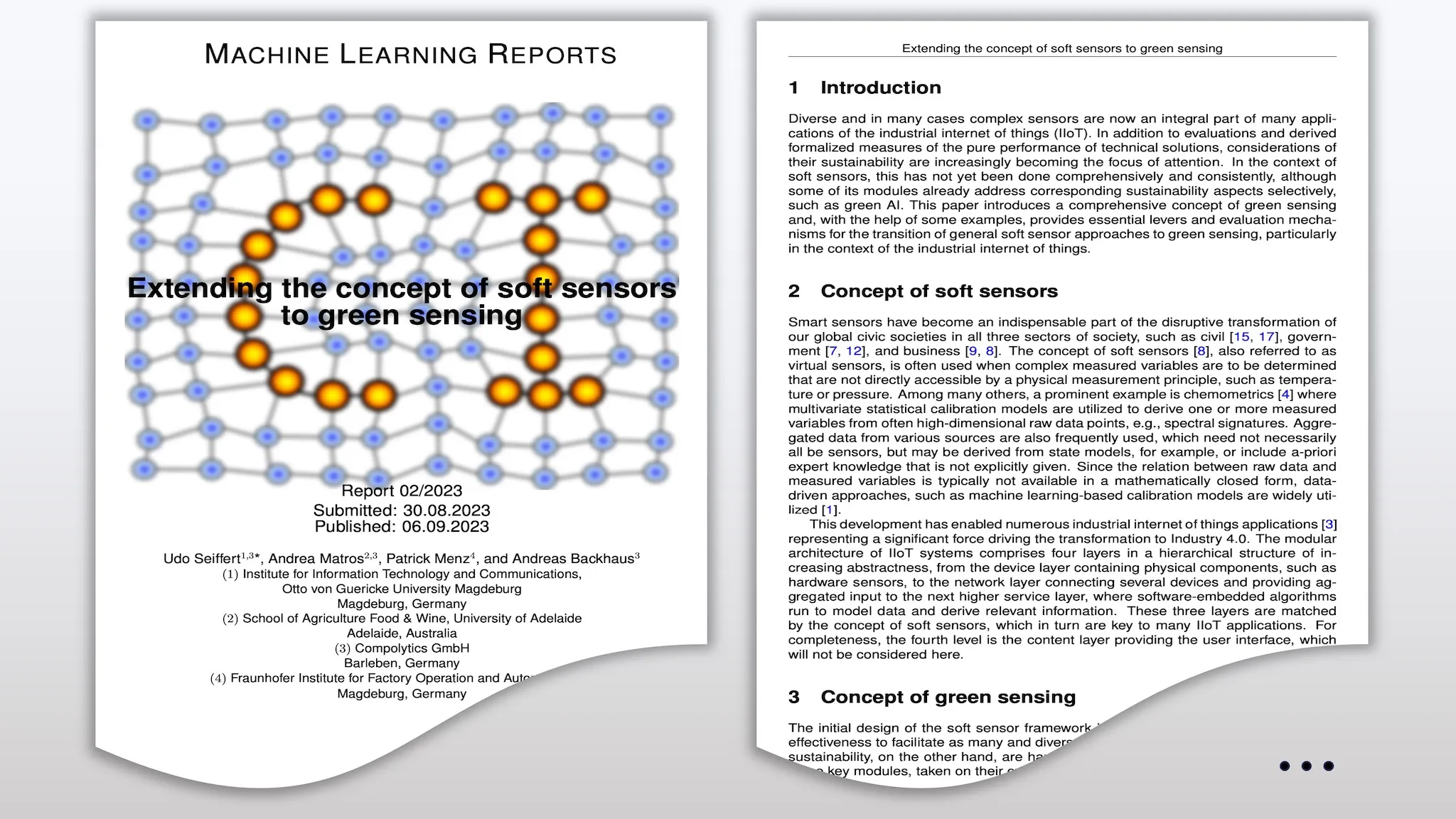
Research Article: Extending the Concept of Soft Sensors to Green Sensing
There are many innovative technical developments that are denoted “green”, ranging for example from very generic green power to more specific green AI. In the context of soft sensors, this paper describes its extension to green sensing, taking into account and implementing various aspects of efficiency and sustainability in addition to more traditional performance criteria,…
-
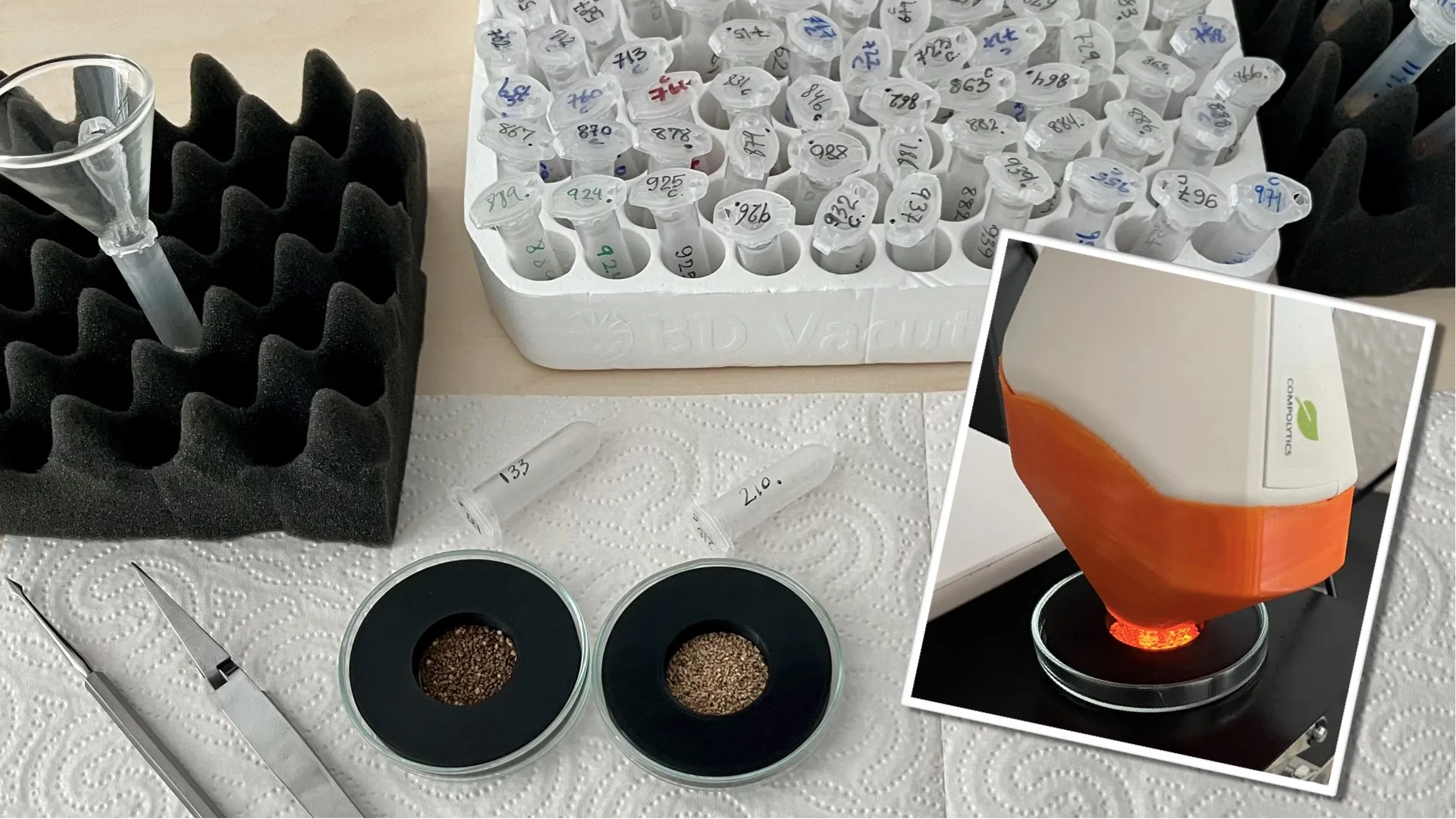
Systematic Assessment of Salicornia Seeds
Together with our R&D partner, the Center for Desert Agriculture at the King Abdullah University of Science and Technology in Saudi Arabia, we have started the development of a tailored multispectral sensor for Salicornia seeds. Salicornia, also known as sea asparagus, is found in various marine habitats around the world and can be grown under…
-
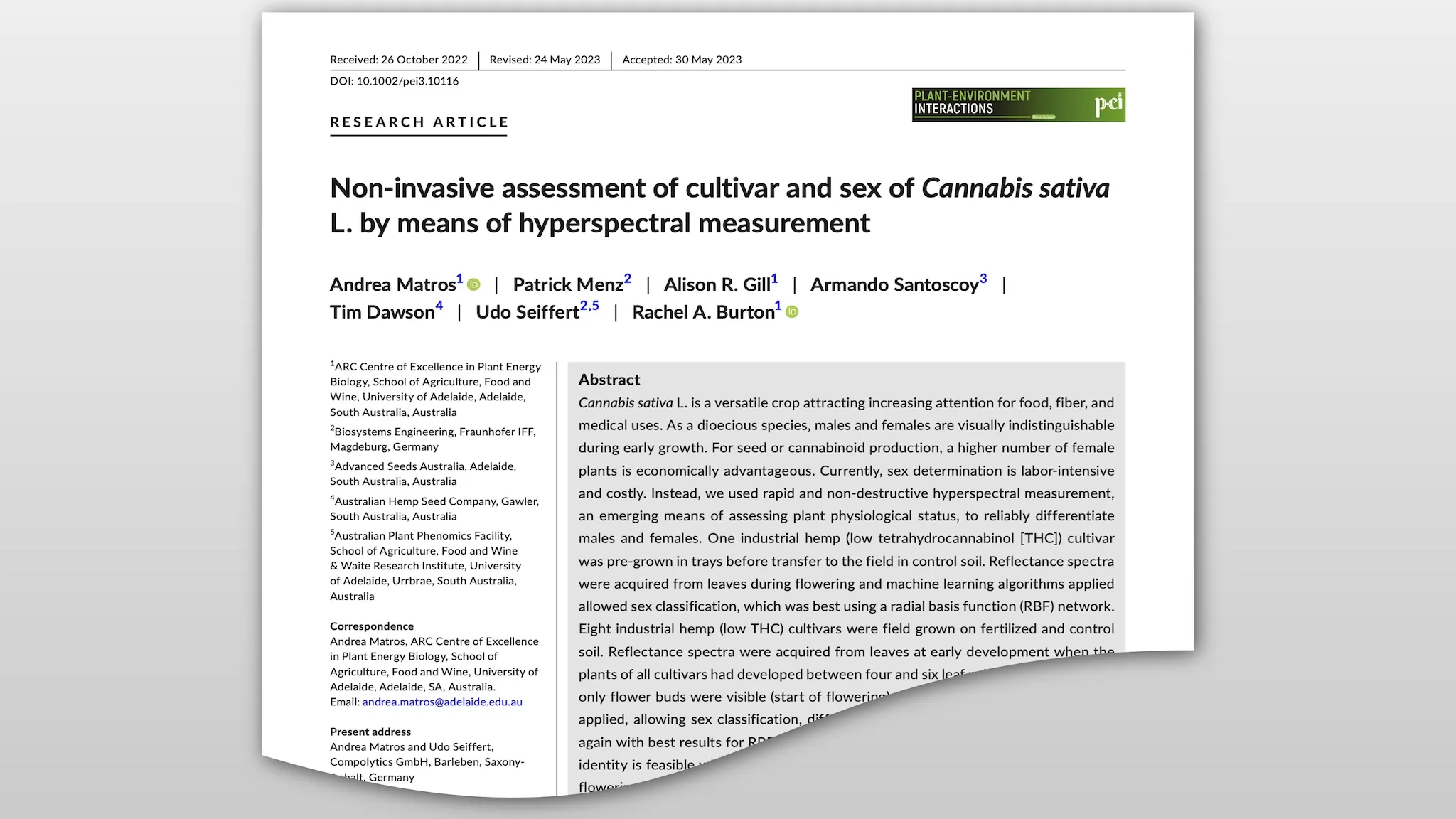
Research Article: Spectral Assessment of Cultivar and Sex of Cannabis Plants
Two of our senior scientists were involved in a systematic study on the non-invasive assessment of cultivar and sex of Cannabis sativa L. by means of hyperspectral sensing, which led to a high-ranking publication in Plant-Environment Interactions. Thank you to all co-authors for the excellent co-operation. Download the full paper.
-

Introducing Angular Spectroscopy
The Compolytics ScanCorder, using a sequence of tailored lights, has been extended to illuminate the sample from different angles. This provides additional information about the microstructure of the material. We call this angular spectroscopy. Watch our latest Technology Snippet: https://youtu.be/4FlaYjSP_3g
-

Launch of Compolytics’ Careers Site
Since its founding in September 2020, COMPOLYTICS has developed extremely well. Beyond the core team at the time of the company’s launch, we are now seeking further talented people with various expertise and experience. This aims to expand our existing products, such as the scancor.de/r®, and also to develop new customised solutions. We are happy…
-
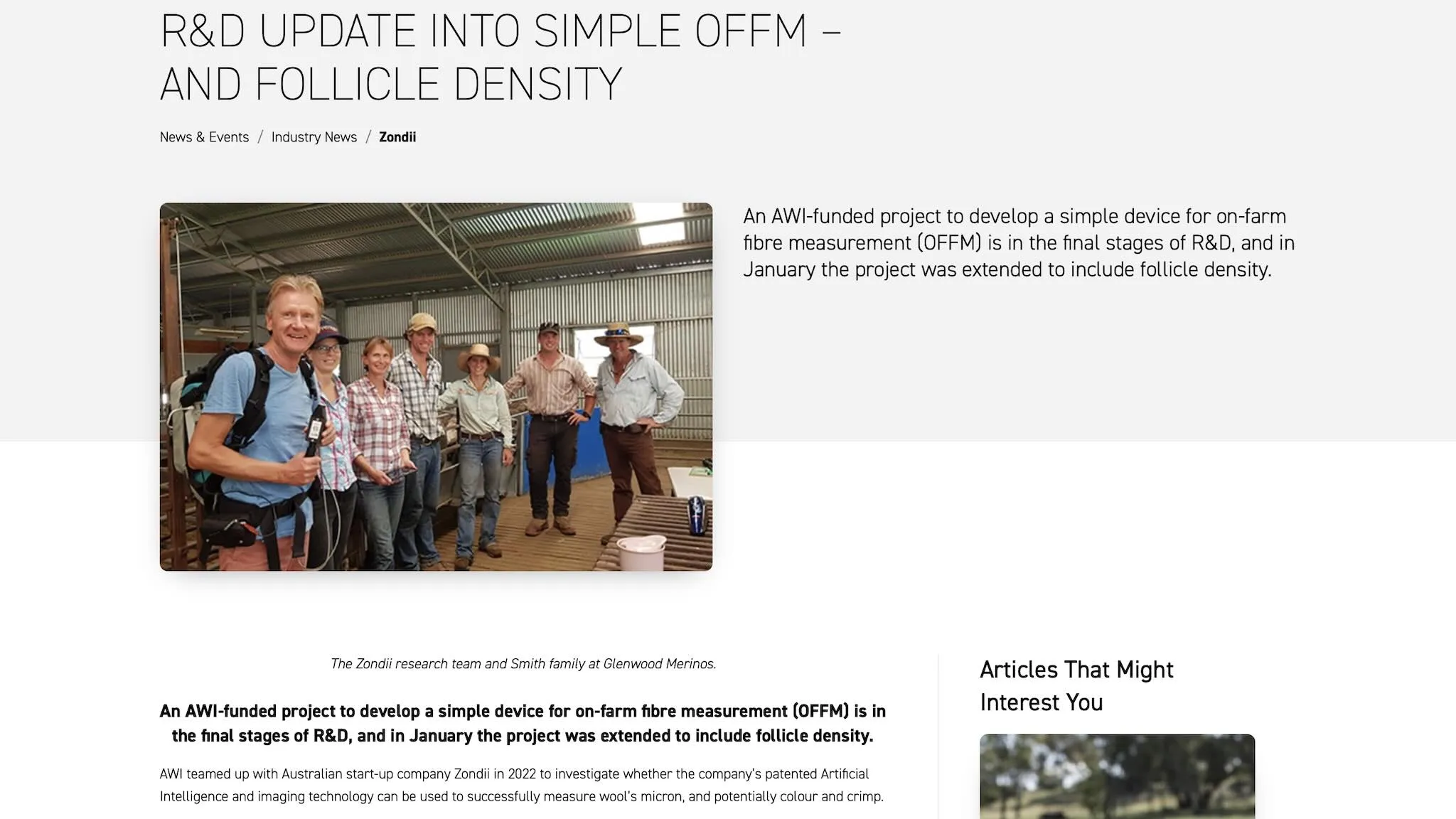
Innovation in Wool Classing
An Australian Wool Innovation (AWI)-funded project to develop a simple on-farm fibre measurement (OFFM) device is in the final stages of R&D, and in January the project was expanded to include follicle density. The COMPOLYTICS® ScanCorder platform is playing a key role in enabling Armidale-based start-up Zondii to revolutionise wool classing in Australia and worldwide.…
-
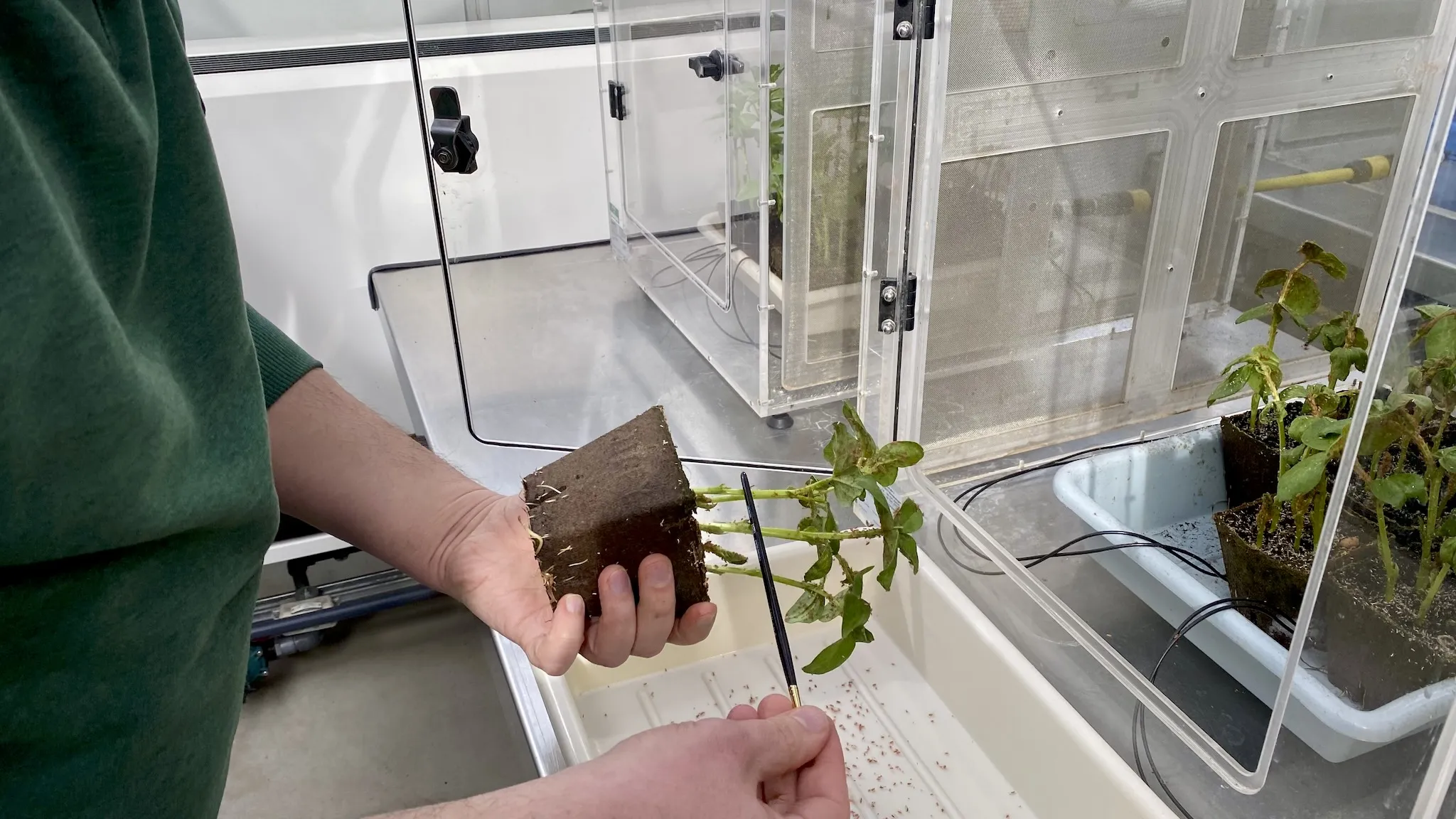
Expanding the ScanCorder Capabilities to Insects
Together with our scientific cooperation partner Julius Kühn Institute, we have conducted the first test measurements for the spectral optical detection of aphids and other plant-infesting insects and material pests. The classical texture-based imaging approach is to be supplemented by spectroscopy, which yields detailed information about the bio-chemical composition and perfectly complements information about shape, colour,…
-
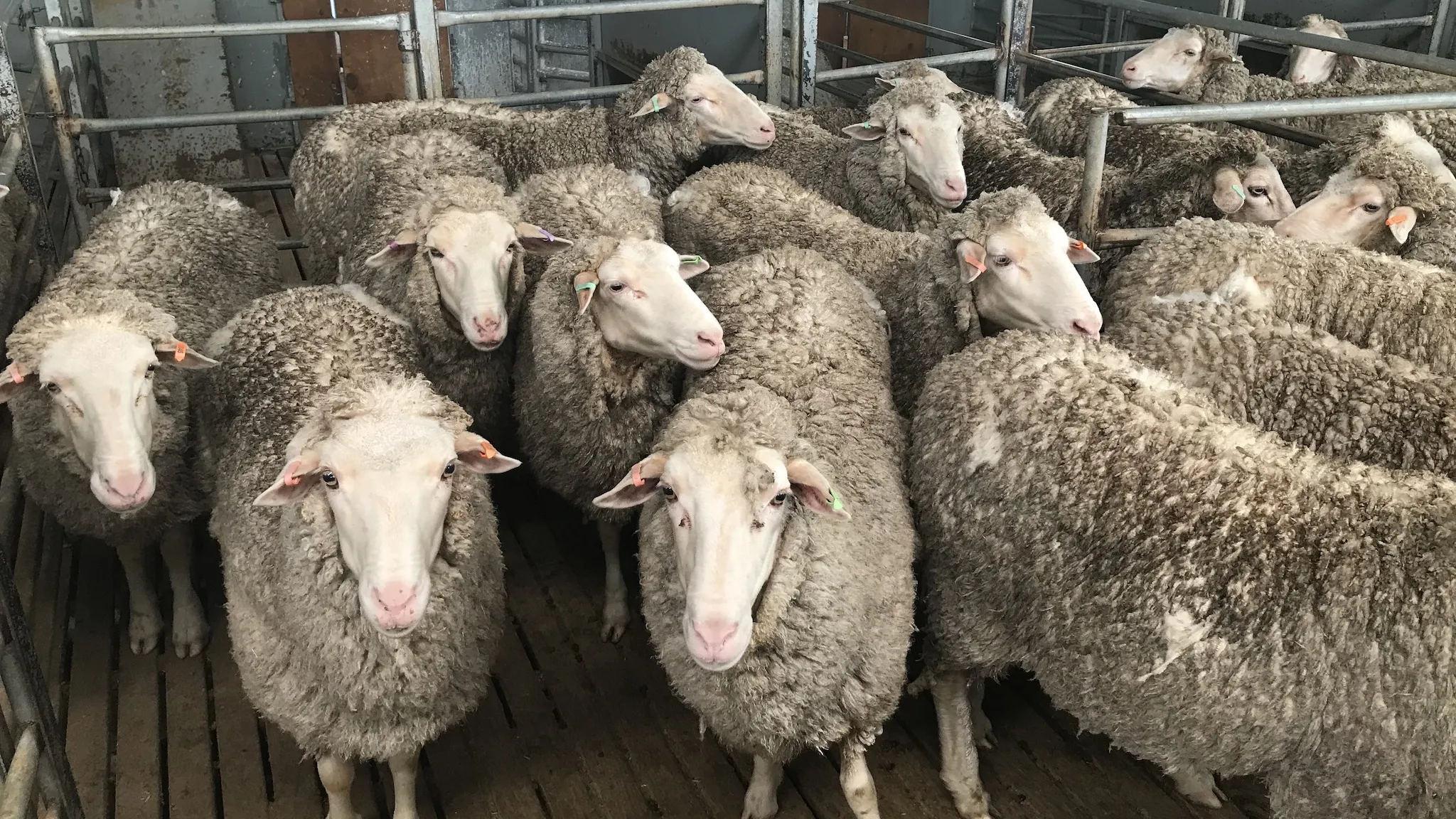
Non-invasive Determination of Breeding Targets in Sheep
In collaboration with our development partner Zondii and the Glenwood Farm in Wellington NSW, we have conducted an extensive measurement campaign to determine various quality parameters of wool and skin in sheep. The spectral signatures measured using a hyperspectral sensor are mapped to reference data using the COMPOLYTICS® ScanCorder Modelling approach. The aim is to…
-
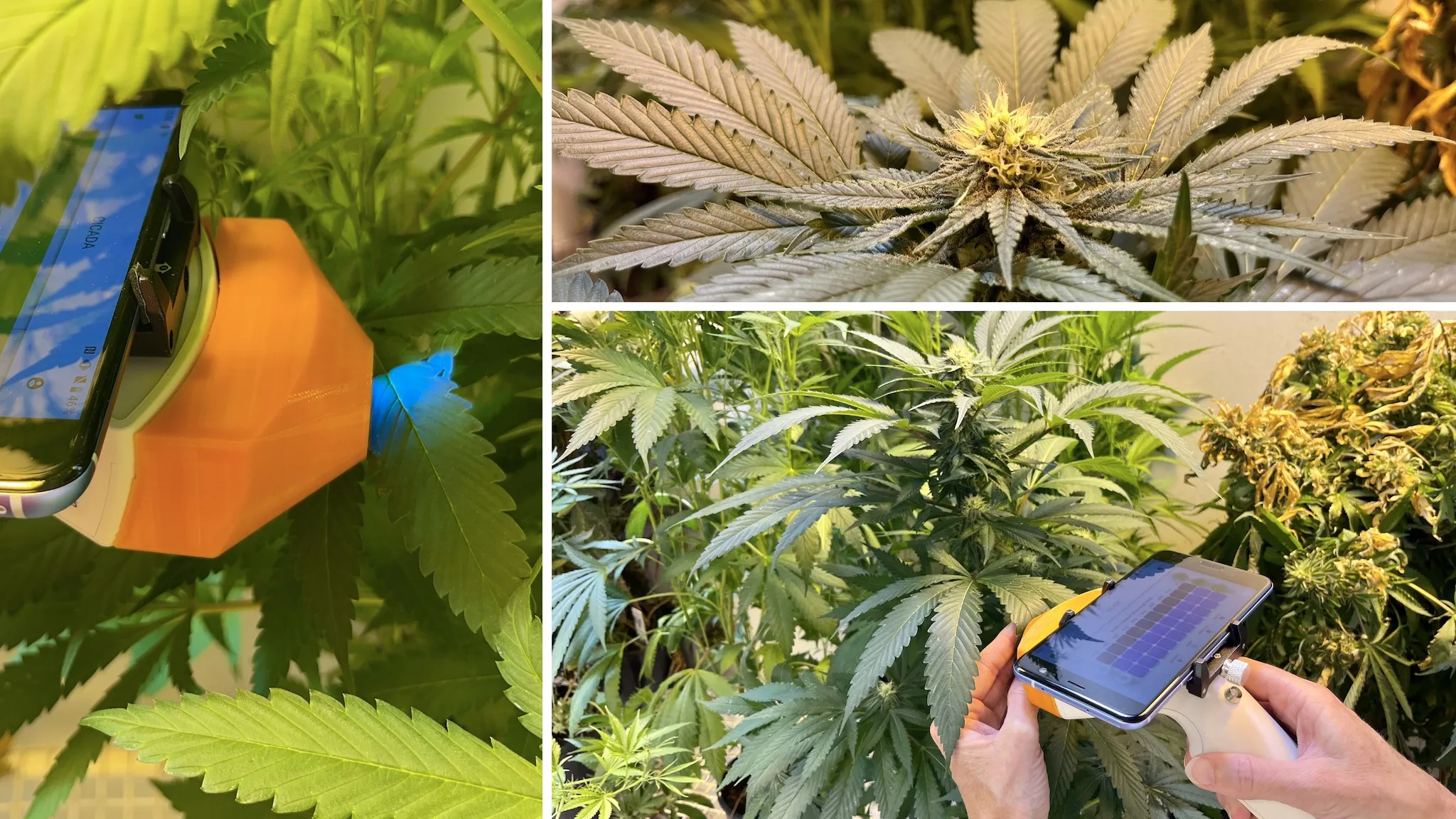
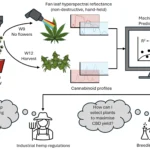
Improving Cannabis Farming
Monitoring cannabis plants with the COMPOLYTICS® ScanCorder for different varieties and treatments for industrial applications. Plants and reference data for modelling were provided by the University of Adelaide. All measurements were conducted at the Waite Campus. Our sensor improves the regulatory compliance and productivity of cannabis greenhouse and field cultivation.

Year: 2023
Categories
Recent Posts
- ScanCorder Goes Fluorescence: Extending Inverted Spectroscopy into a New Optical Modality
- Behind the Scenes: Expanding the ScanCorder Capabilities
- Smoke Gets in Your Wine - Verse 3
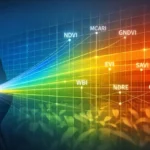
- Why Access to Many Vegetation Indices Matters in Plant Research
- Research Article: Predicting Cannabinoid Yield from Spectral Leaf Scans