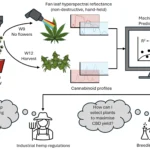

-
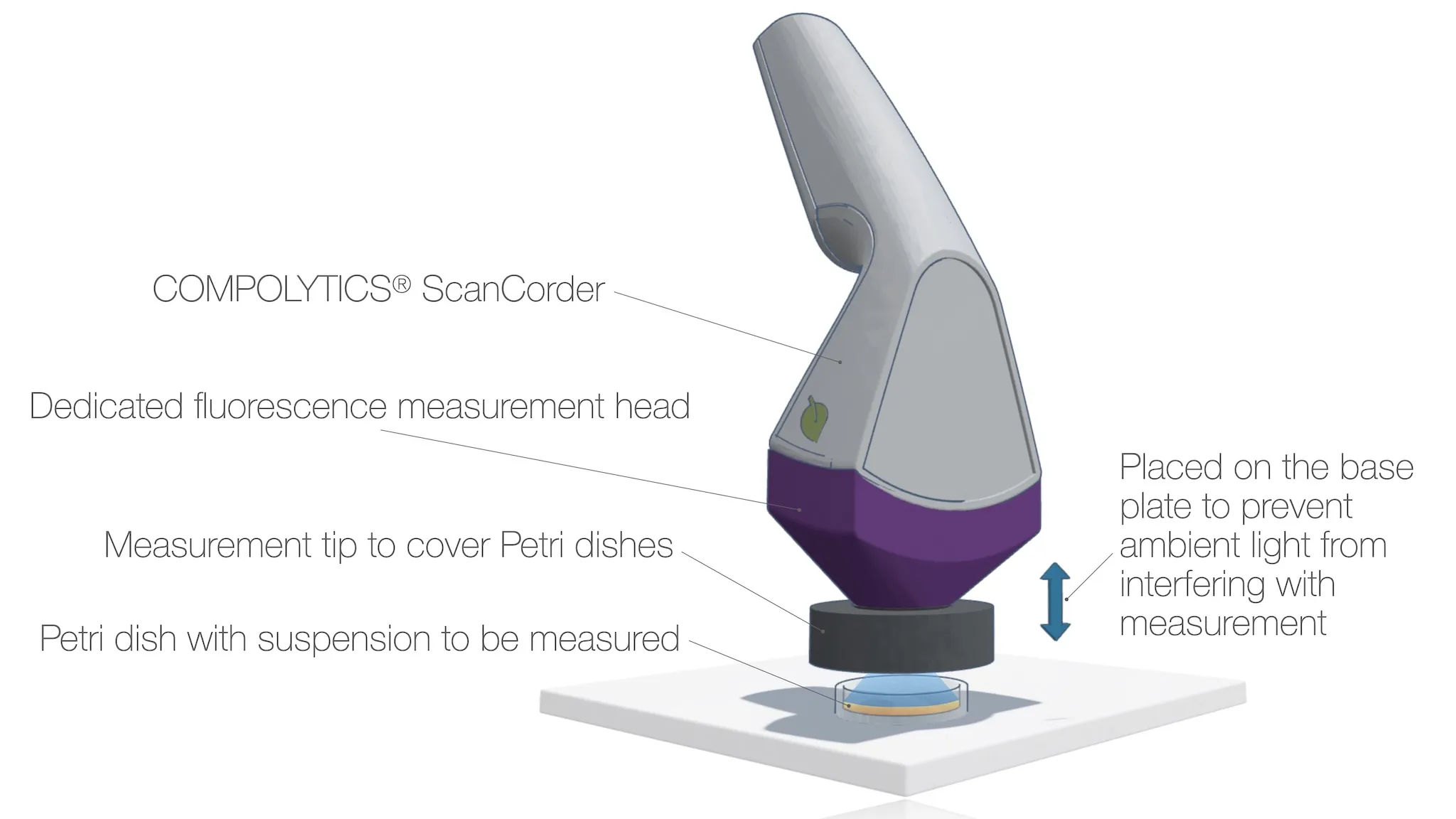
ScanCorder Goes Fluorescence: Extending Inverted Spectroscopy into a New Optical Modality
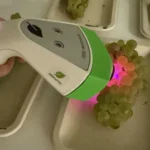
The COMPOLYTICS® ScanCorder platform has traditionally been developed for reflectance measurements. It is now being extended to another powerful optical modality: fluorescence. The key is the ScanCorder principle of inverted spectroscopy. Instead of illuminating a sample with broadband light, individual wavelengths are applied sequentially. For fluorescence measurements, these wavelengths can serve directly as excitation bands, while…
-
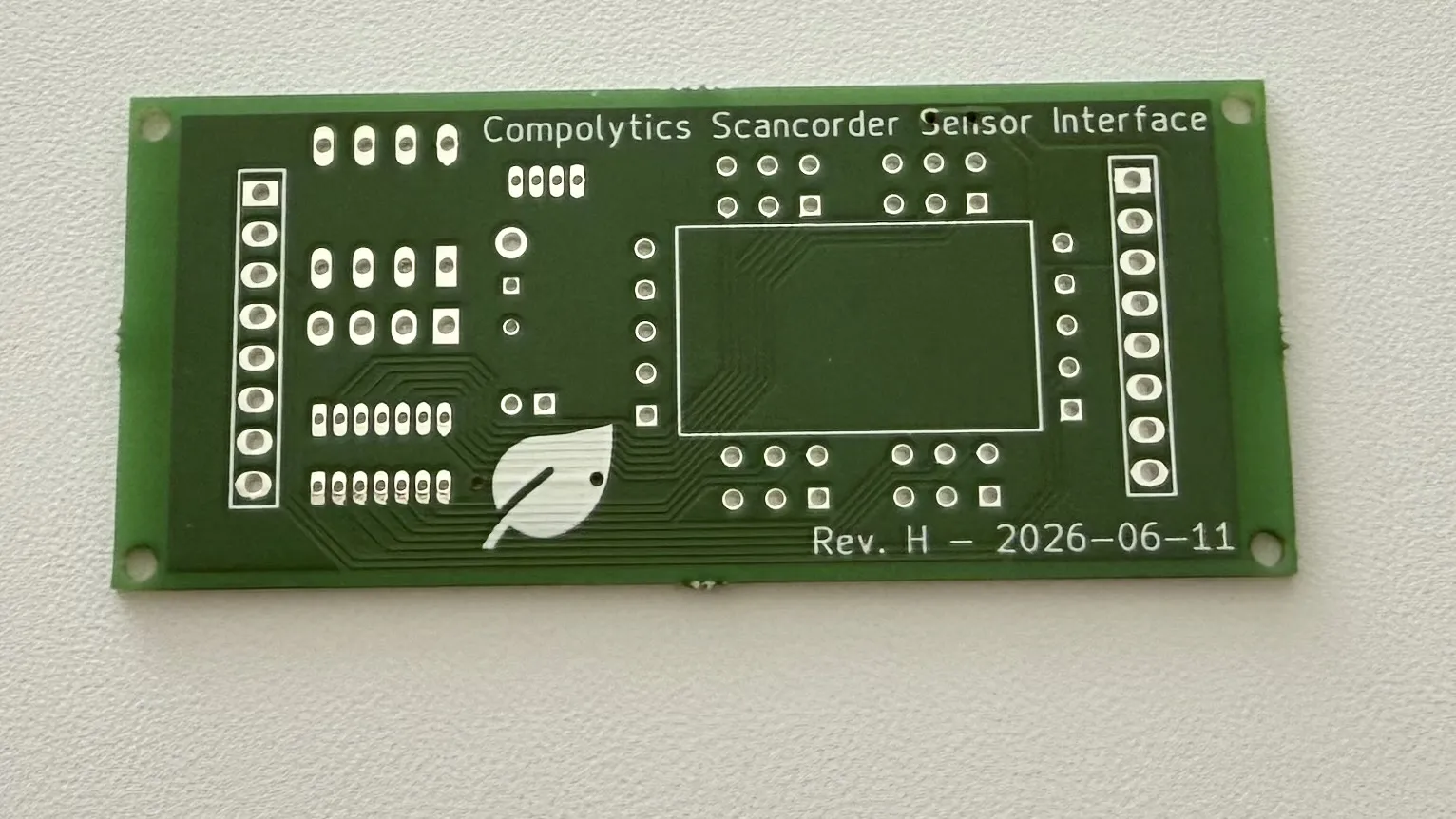
Behind the Scenes: Expanding the ScanCorder Capabilities
Driven by our own strategic considerations and the requirements arising from various customer applications, we have expanded the electronic design of the COMPOLYTICS® ScanCorder measuring head. The measurement principle of inverted spectroscopy is particularly well suited not only to the reflectance measurements implemented to date but also to fluorescence measurements, thanks to the sequential illumination…
-
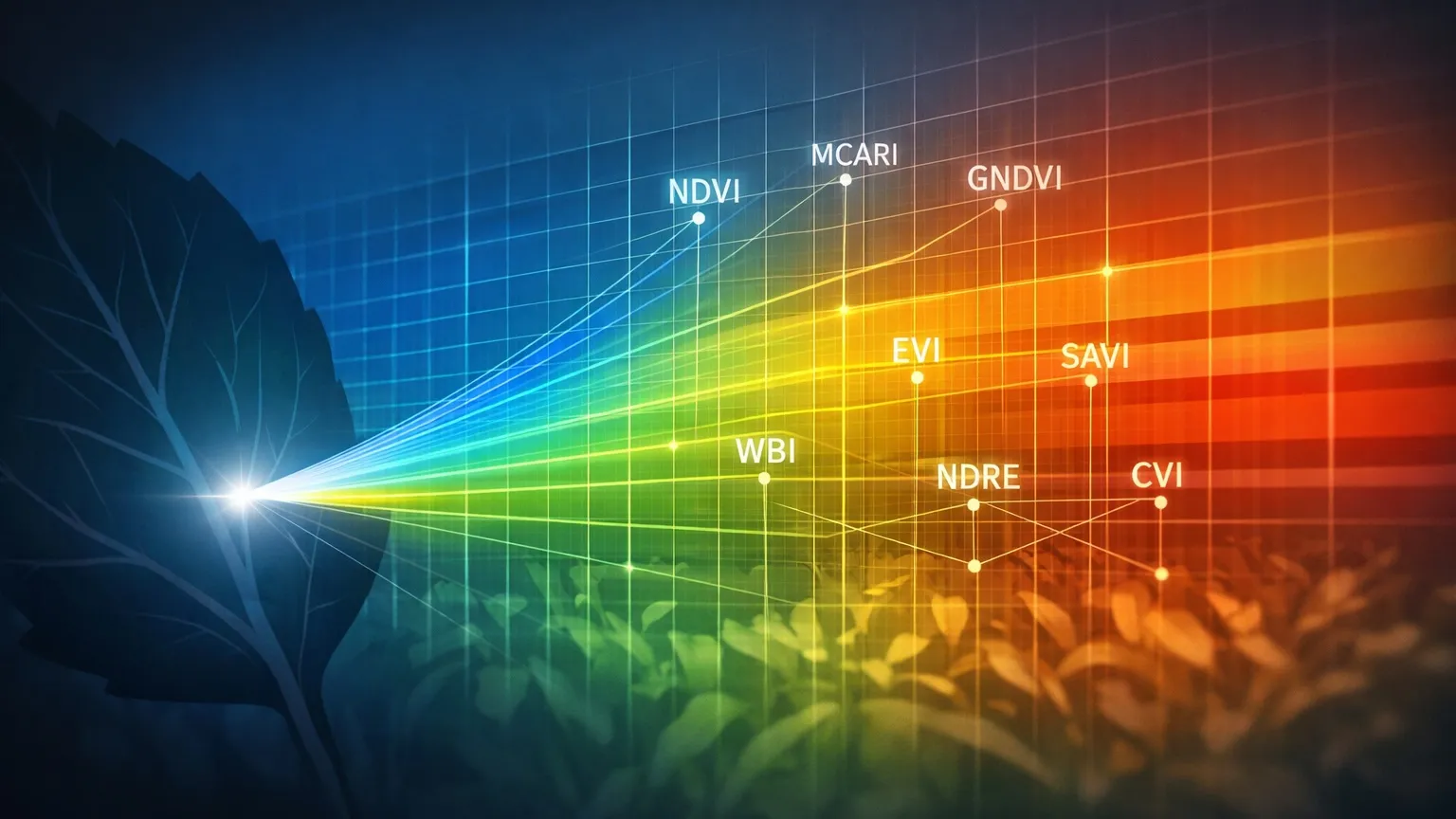
Why Access to Many Vegetation Indices Matters in Plant Research
Vegetation indices (VIs) are a powerful way to translate optical measurements into meaningful plant traits. In practice, however, different crops, stress factors, growth stages, and research questions often call for different indices. There is no single “best” vegetation index — relevance always depends on the application. Having access to more than 145 vegetation indices from…
-
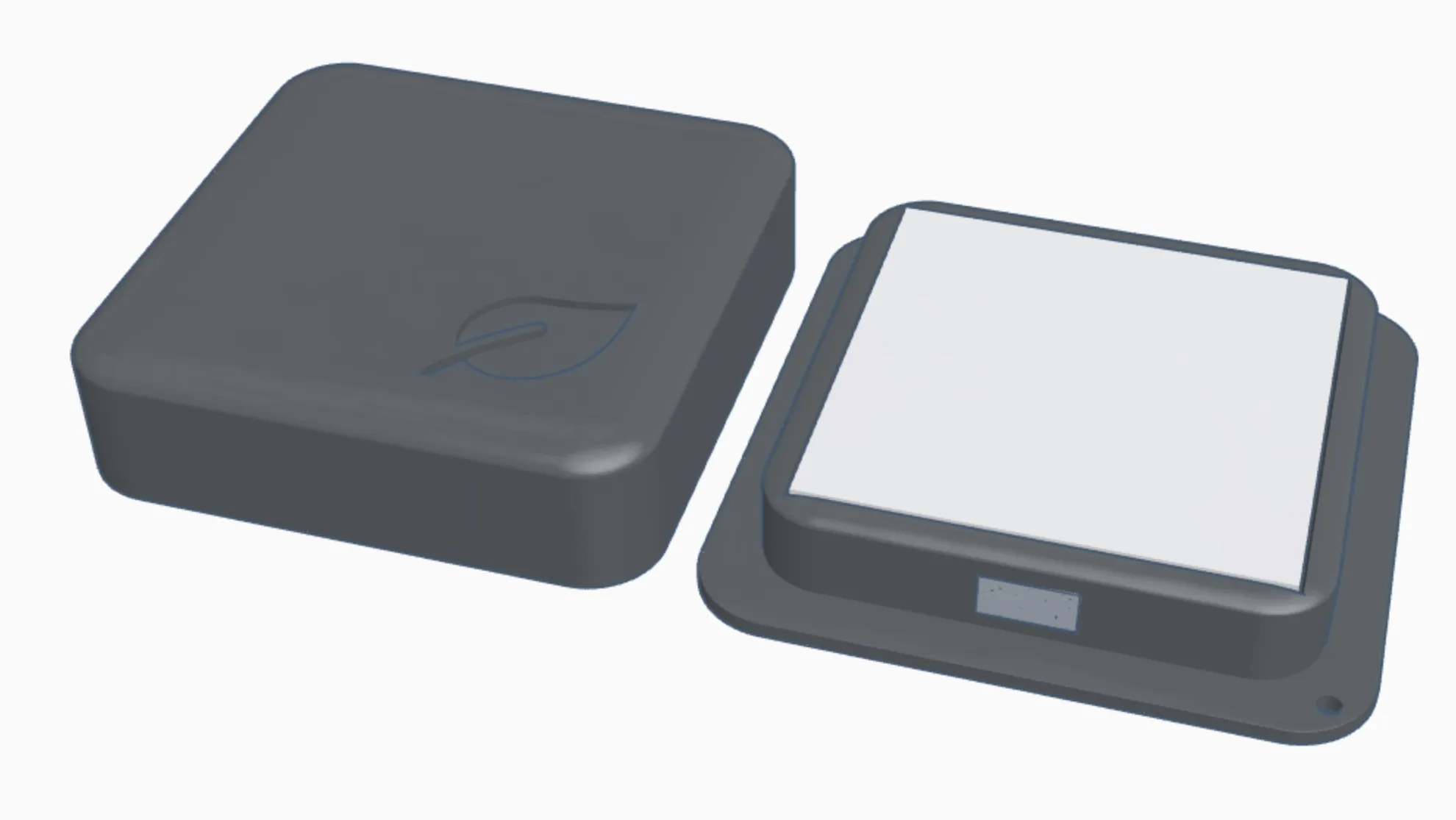
Why Calibration Matters in Spectral-Optical Measurements
Spectral-optical sensors are powerful tools for analysing materials and processes — from agriculture to industrial quality control. But like any measurement system, their accuracy depends not only on the sensor itself, but also on how well it is calibrated. Without proper calibration, results can drift over time, making data harder to compare across samples, instruments,…
-
Product Launch of ScanCorder VI-VNIR
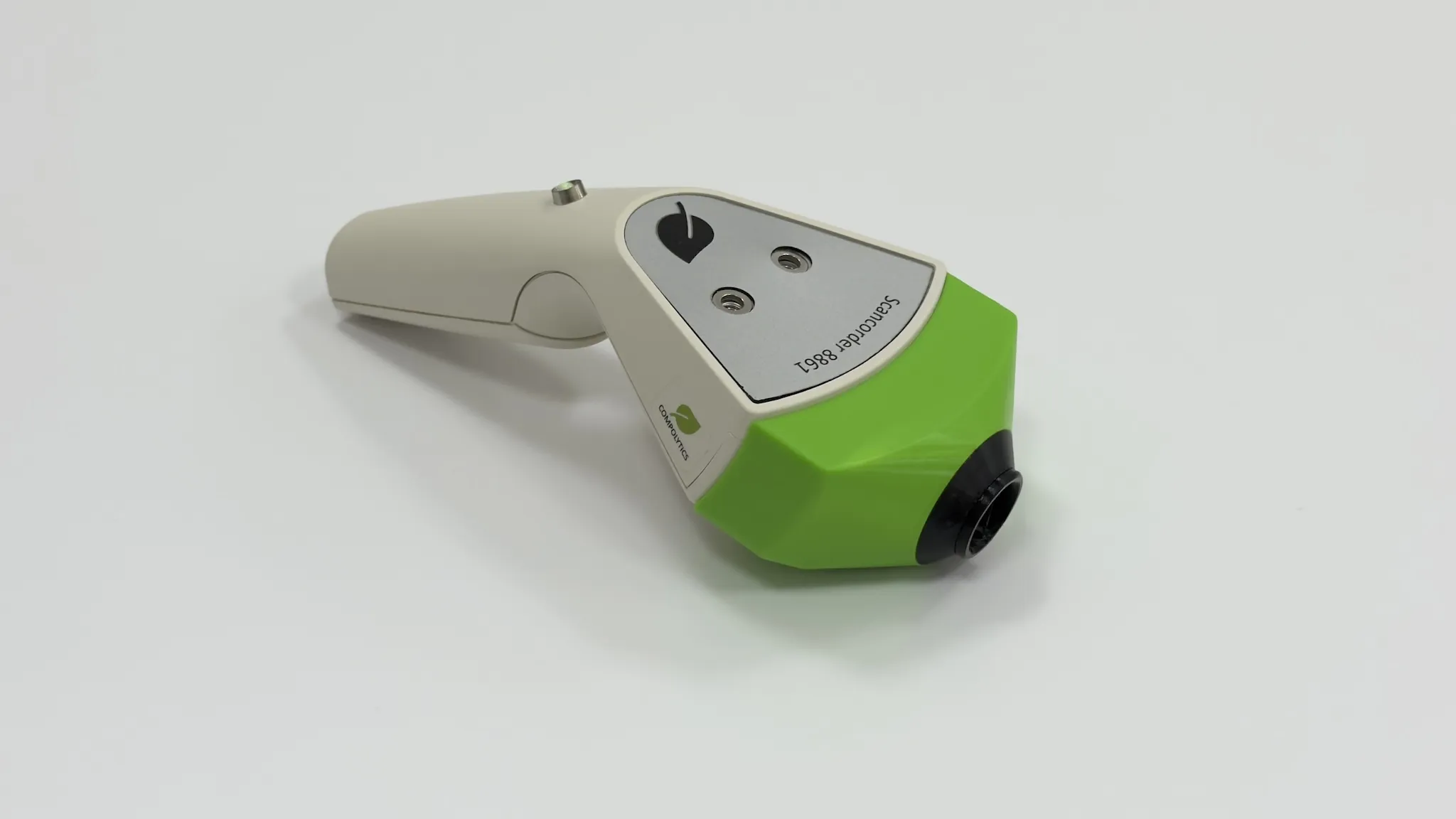
This week was the big moment: the new ScanCorder VI-VNIR was officially launched and presented to a wide audience of experts at our stand at the European Plant Phenotyping Symposium in Bonn. Visitors to the stand were able to get hands-on experience with the new sensor and vegetation indices calculated in real-time using contrasting sorghum…
-
Behind the Scenes: Validating Our New VI-VNIR Sensor
Vegetation indices are essential for understanding plant health, growth patterns, and stress factors - critical insights for agriculture, research, and beyond. At Compolytics, we continuously push the boundaries of what’s possible with spectral-optical sensing. Our latest innovation takes this even further. We’re excited to share a glimpse behind the scenes of our in-house validation process…
-
The GP-VNIR ScanCorder – Now Smarter, Stronger, and More Precise
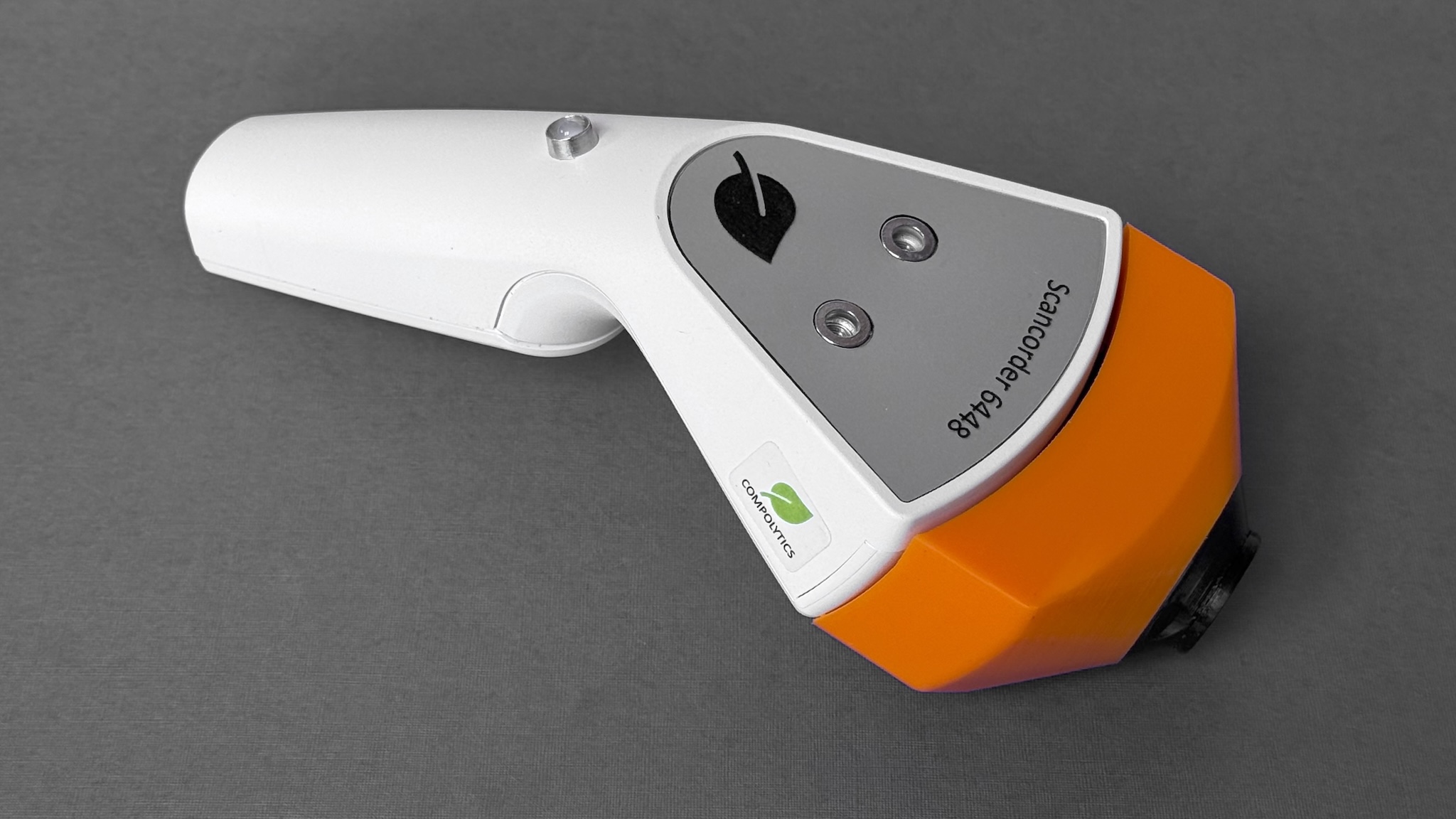
The GP-VNIR ScanCorder, our general-purpose multispectral sensor covering the visible and near-infrared range, has just received a major hardware and firmware upgrade. Designed for broad applicability in research, education, and industrial sensing, this latest release brings the ScanCorder platform another step closer to full technological maturity. What’s New The new GP-VNIR generation introduces several improvements…
-

Green Sensing: Technology for a Sustainable Future
Innovation meets precision at Compolytics, where we are reshaping spectral-optical sensor technology with our pioneering Green Sensing approach. By combining cutting-edge innovation with sustainability, we’re driving meaningful impact across industries. Discover how Compolytics is leading the way in sustainable tech for a better future in the January issue of Discover Germany. https://issuu.com/scanmagazine/docs/discovergermany_125_january_2025/92
-
Wearable ScanCorder
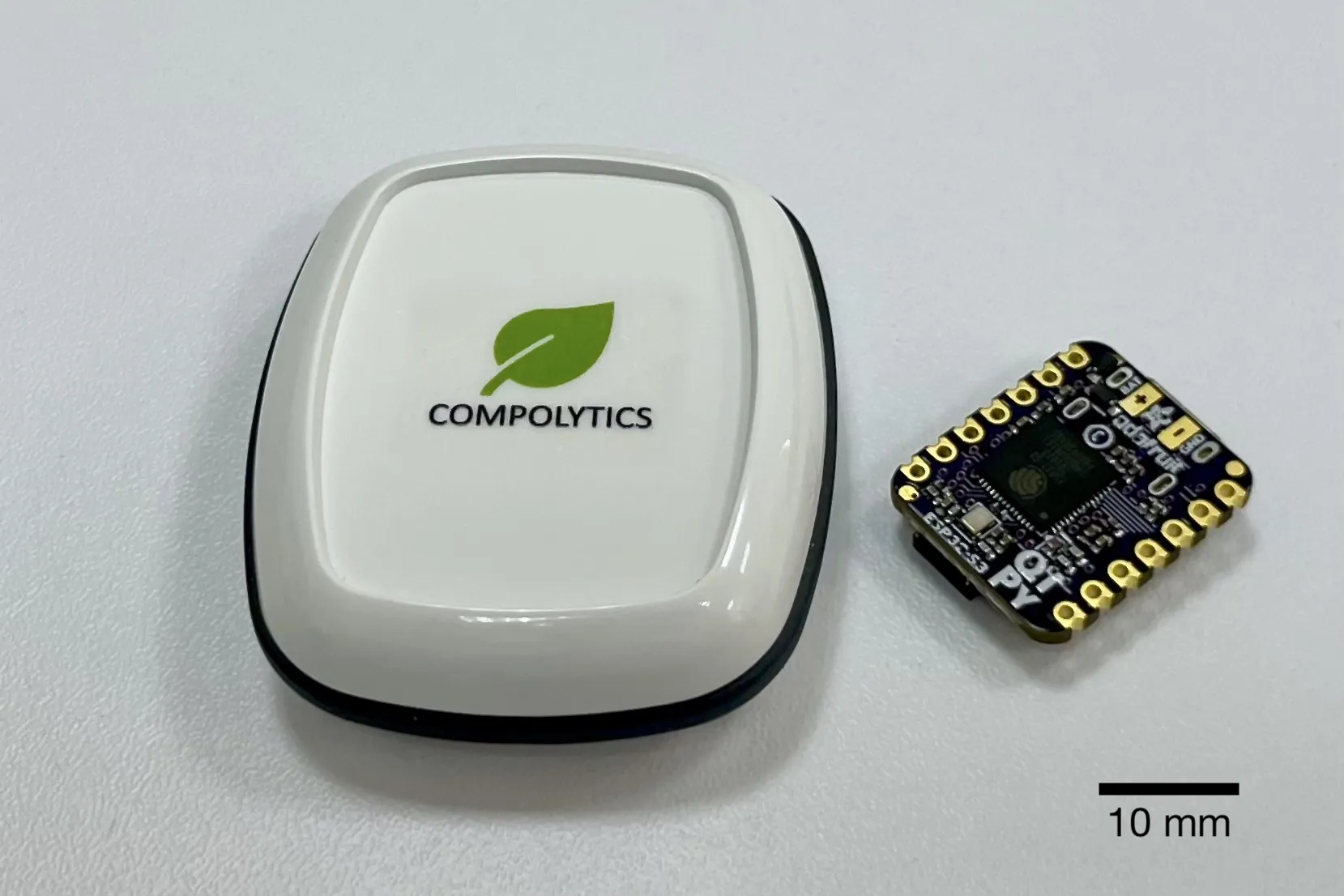
As a handheld device, the ScanCorder is already quite small and handy for a high-performance spectral optical sensor. Compolytics is now miniaturising the ScanCorder technology even further and turning it into a wearable. Particularly in combination with our existing micro fluid spectral sensor technology, this allows for revolutionary applications not only for industry, but especially…
-
Behind the Scenes: Selection of Electronics Components
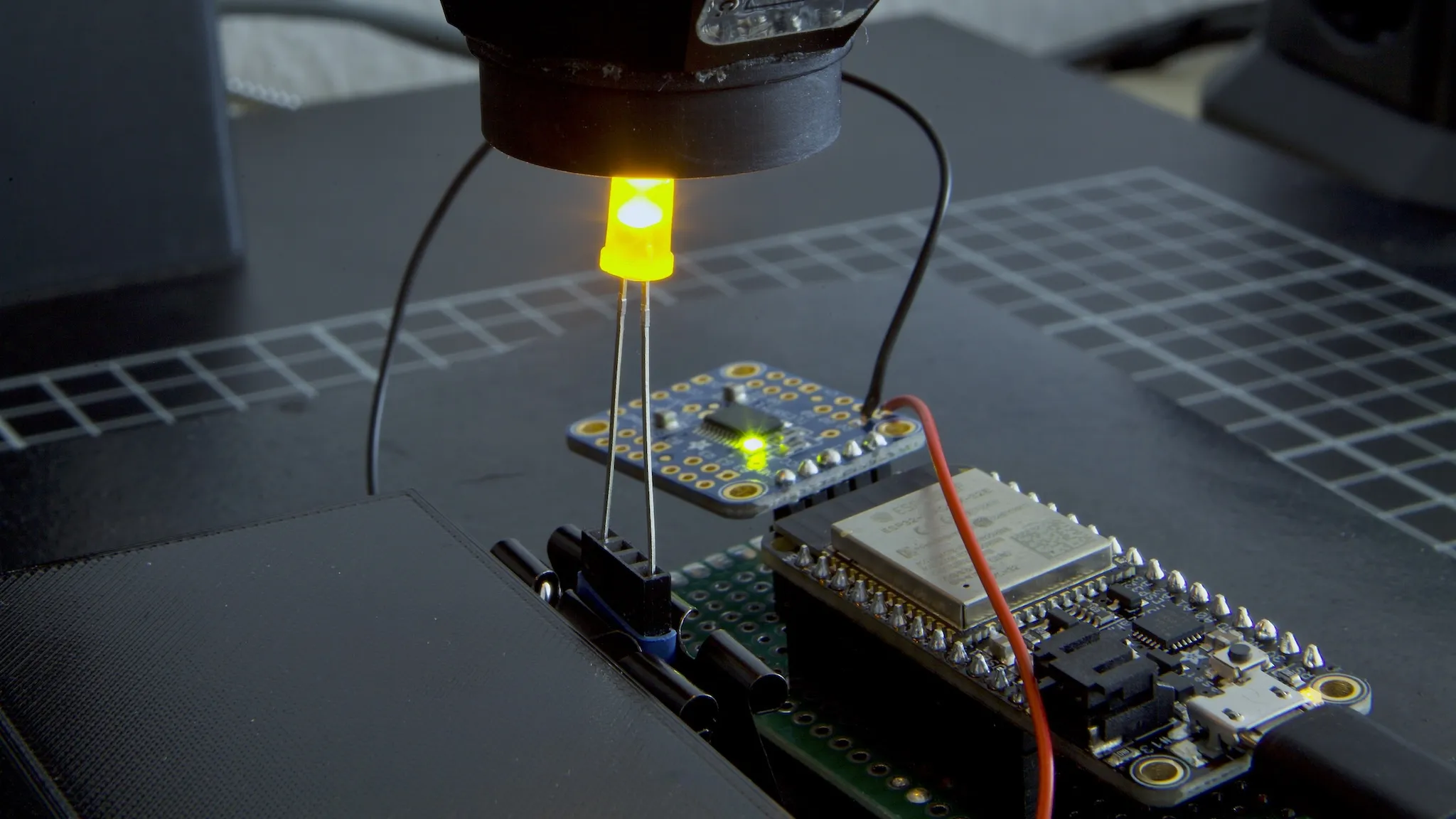
Learn how Compolytics bridges the gap between theoretically determined wavelengths and the availability of corresponding optoelectronic components such as LEDs and receivers for the COMPOLYTICS® ScanCorder: https://youtu.be/Xe5PVF1ivkI.

Category: Technology
Categories
Recent Posts
- ScanCorder Goes Fluorescence: Extending Inverted Spectroscopy into a New Optical Modality
- Behind the Scenes: Expanding the ScanCorder Capabilities
- Smoke Gets in Your Wine - Verse 3
- Why Access to Many Vegetation Indices Matters in Plant Research

- Research Article: Predicting Cannabinoid Yield from Spectral Leaf Scans