
-
ScanCorder Goes Fluorescence: Extending Inverted Spectroscopy into a New Optical Modality
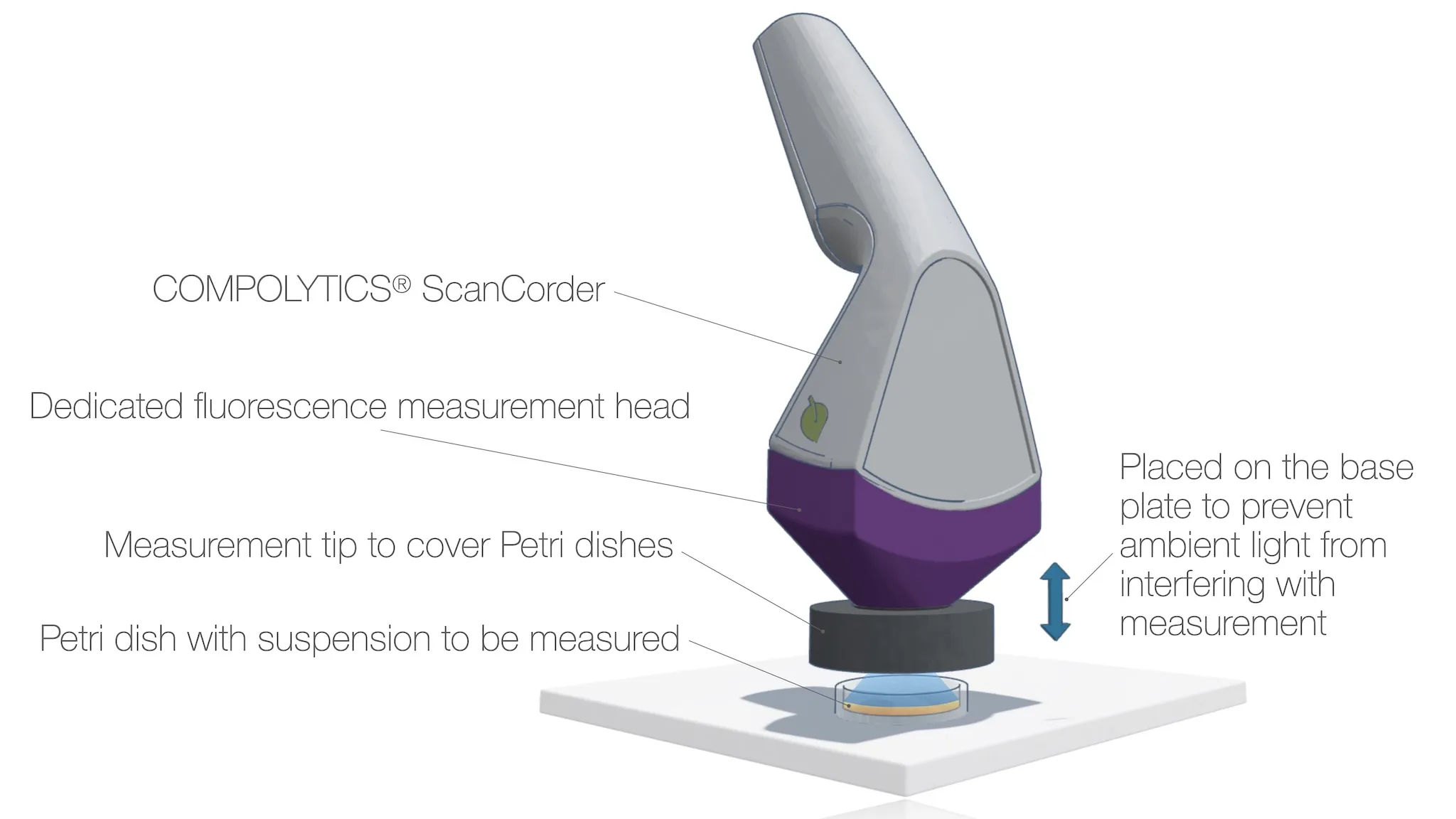
The COMPOLYTICS® ScanCorder platform has traditionally been developed for reflectance measurements. It is now being extended to another powerful optical modality: fluorescence. The key is the ScanCorder principle of inverted spectroscopy. Instead of illuminating a sample with broadband light, individual wavelengths are applied sequentially. For fluorescence measurements, these wavelengths can serve directly as excitation bands, while…
-
Behind the Scenes: Expanding the ScanCorder Capabilities
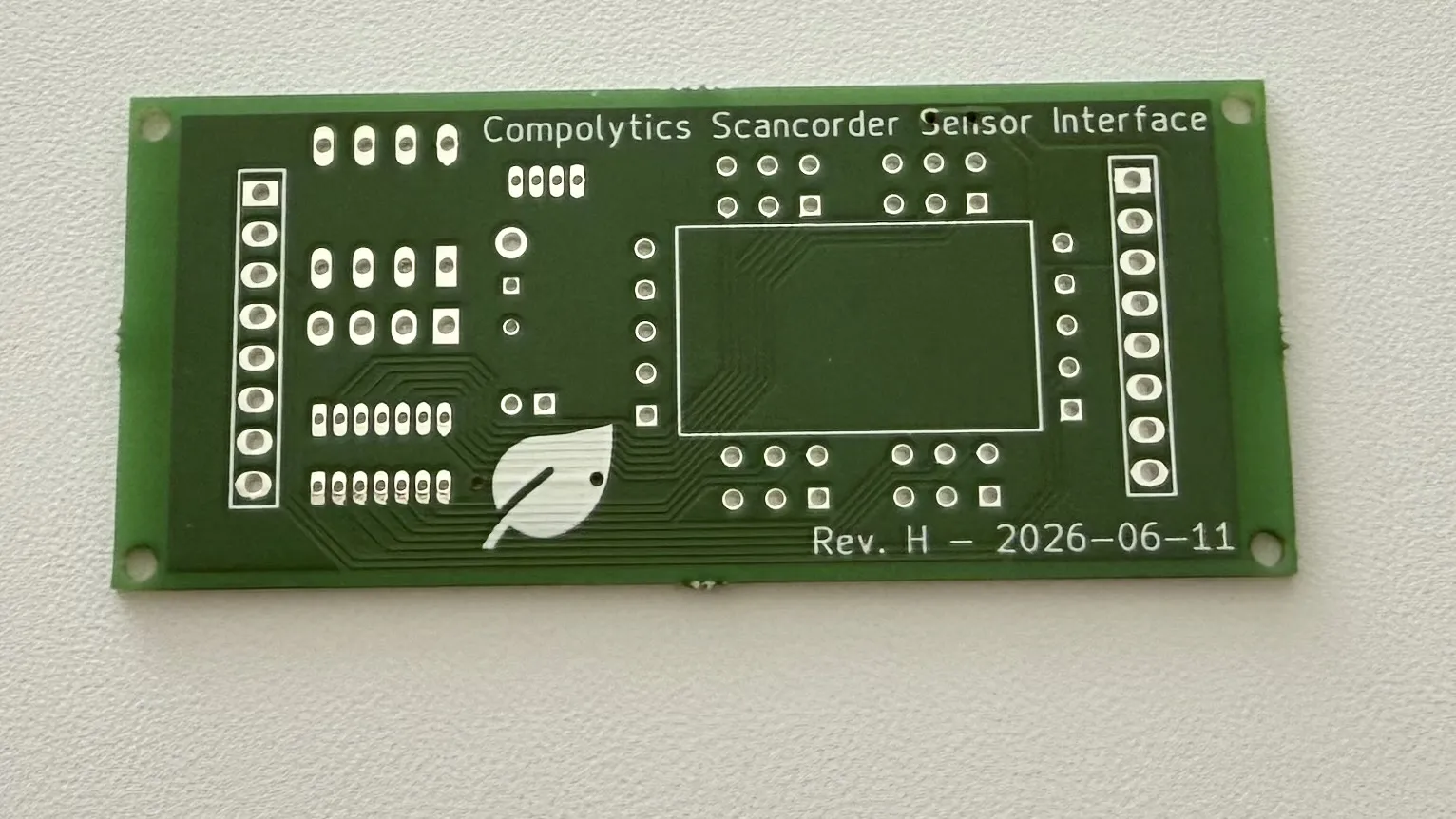
Driven by our own strategic considerations and the requirements arising from various customer applications, we have expanded the electronic design of the COMPOLYTICS® ScanCorder measuring head. The measurement principle of inverted spectroscopy is particularly well suited not only to the reflectance measurements implemented to date but also to fluorescence measurements, thanks to the sequential illumination…
-
Smoke Gets in Your Wine - Verse 3
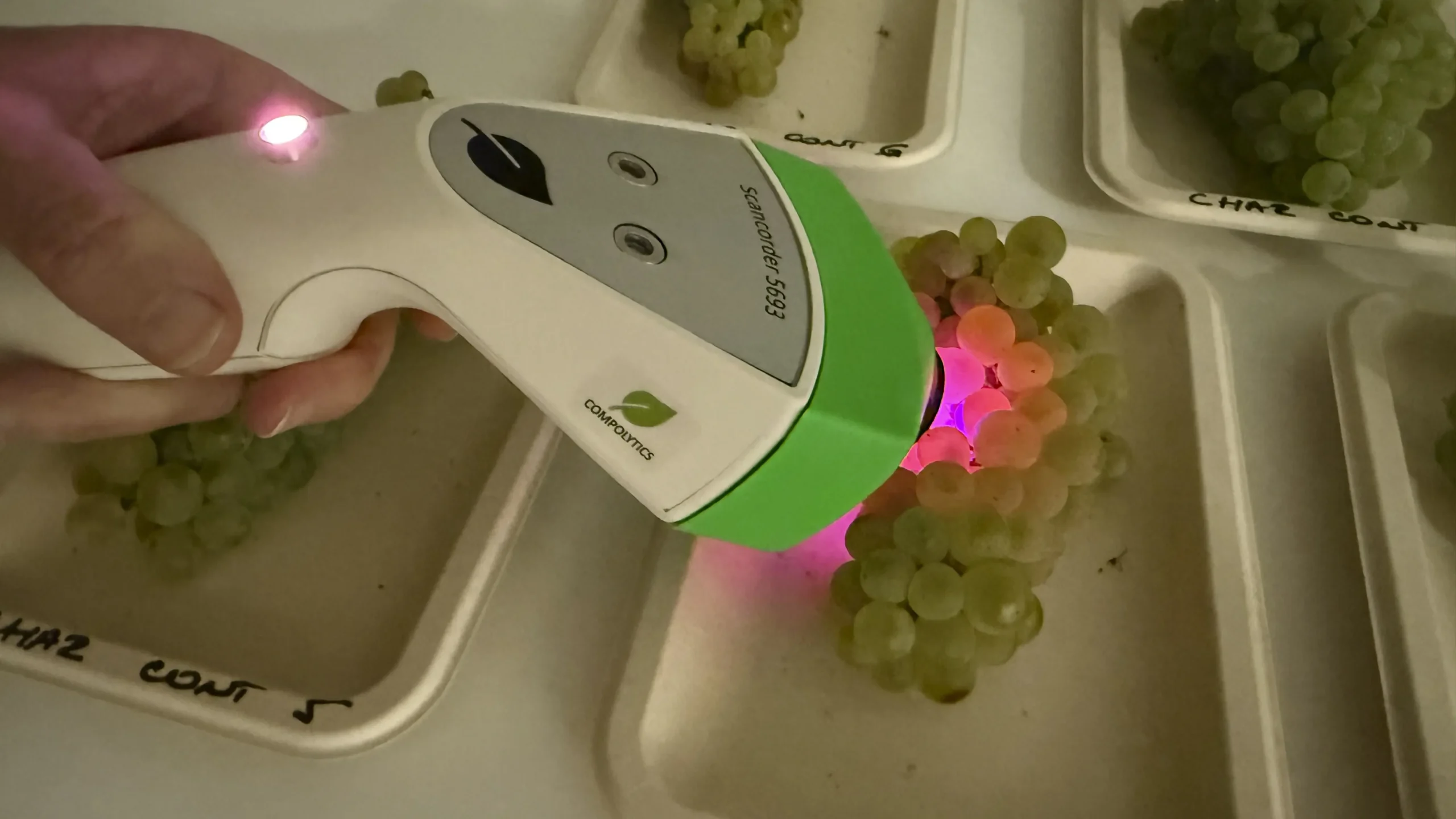
From Hyperspectral Insight to Handheld Impact: Year Three of Smoke Taint Detection Completed Bushfire smoke remains one of the most unpredictable and costly risks facing wine producers. While laboratory analysis can detect smoke taint compounds with precision, it is slow, expensive, and impractical for rapid decision-making in the vineyard. Over the past three seasons, Compolytics…
-
Why Access to Many Vegetation Indices Matters in Plant Research
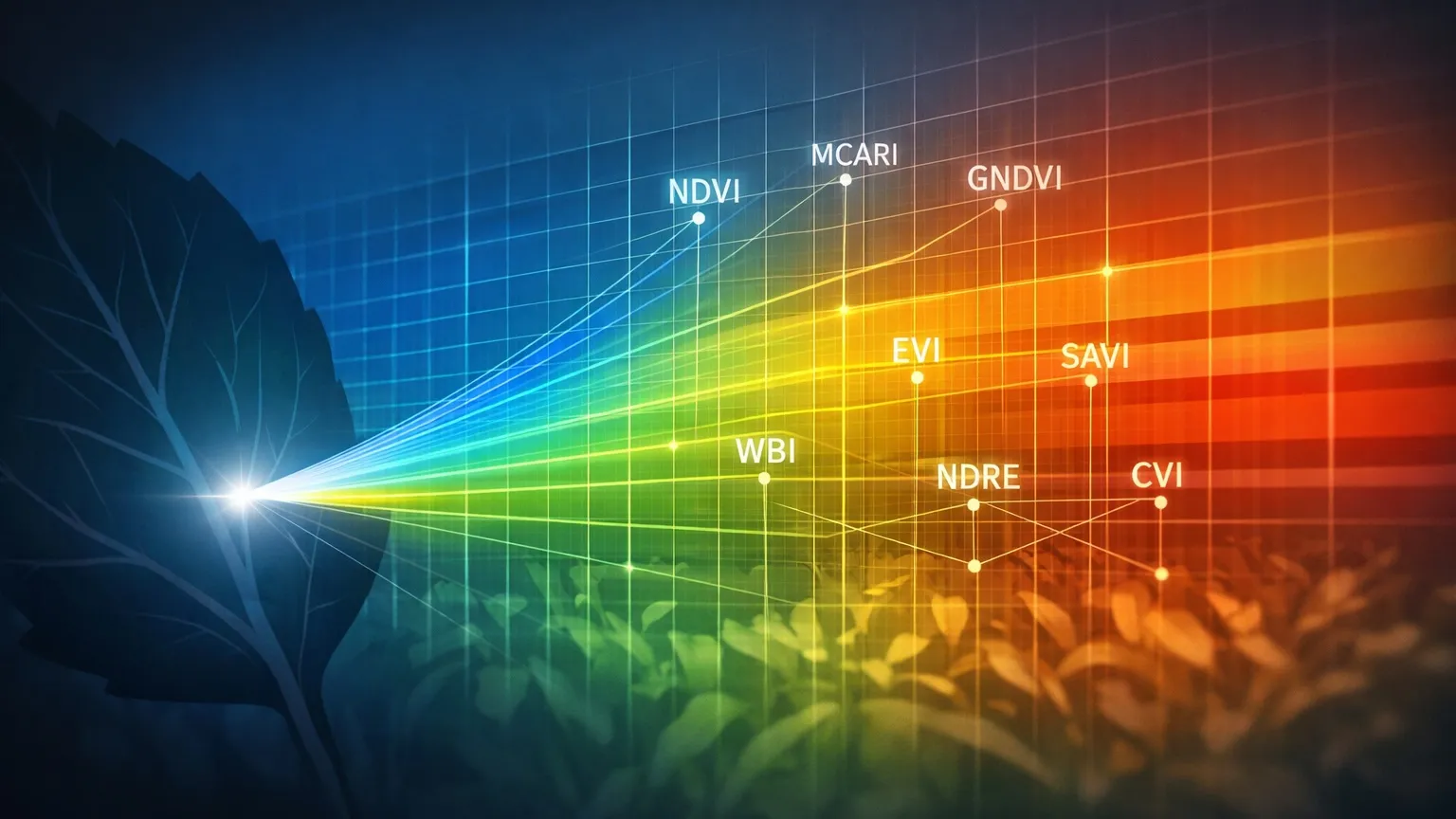
Vegetation indices (VIs) are a powerful way to translate optical measurements into meaningful plant traits. In practice, however, different crops, stress factors, growth stages, and research questions often call for different indices. There is no single “best” vegetation index — relevance always depends on the application. Having access to more than 145 vegetation indices from…

Year: 2026
Categories
Recent Posts
- ScanCorder Goes Fluorescence: Extending Inverted Spectroscopy into a New Optical Modality
- Behind the Scenes: Expanding the ScanCorder Capabilities
- Smoke Gets in Your Wine - Verse 3
- Why Access to Many Vegetation Indices Matters in Plant Research
- Research Article: Predicting Cannabinoid Yield from Spectral Leaf Scans